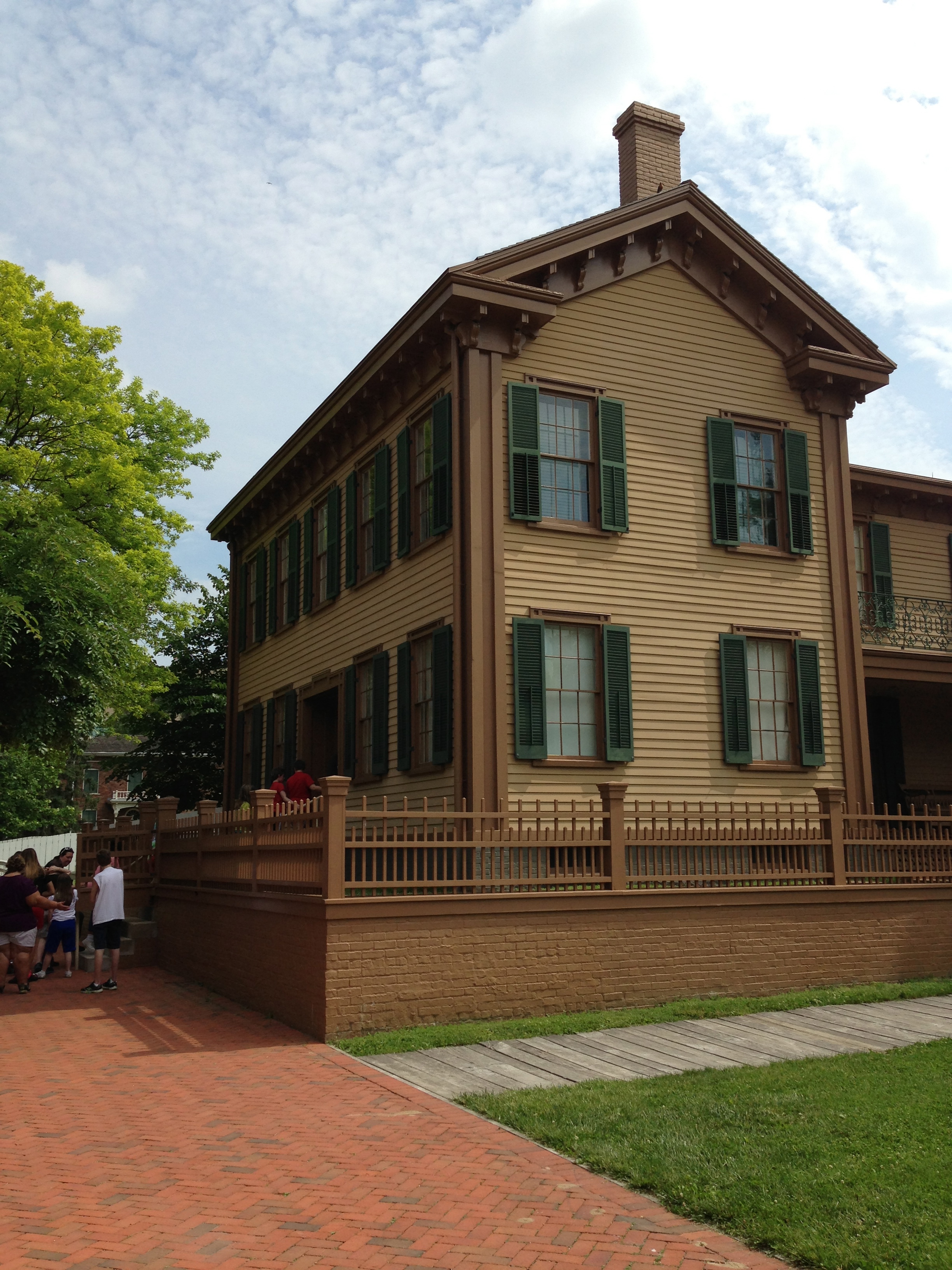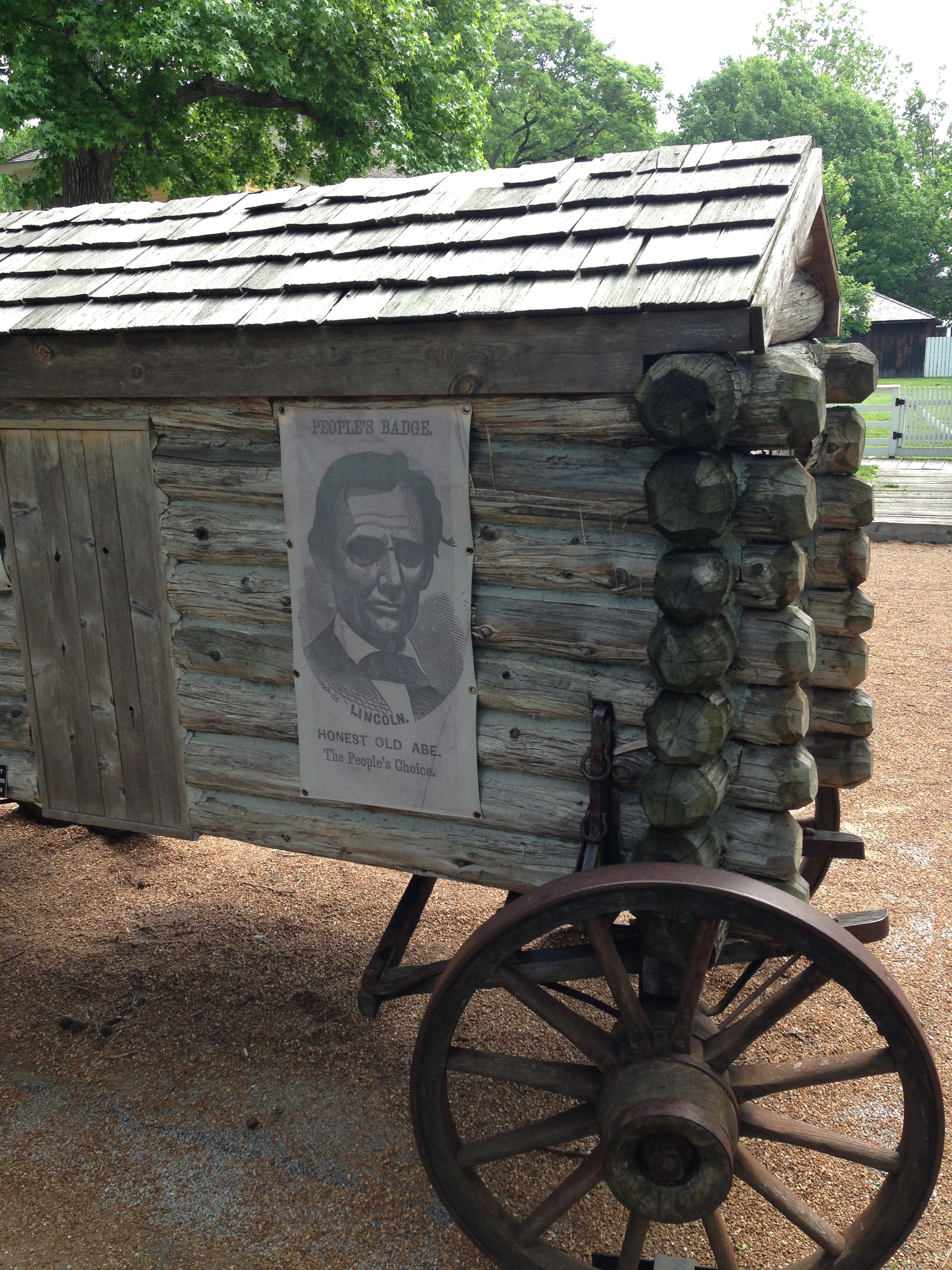
He didn’t poll his policies. He truly endeavored to improve lives for Black men, and succeeded. He tore the country apart to keep it together. He held men accountable – ask his first four generals before U.S. Grant. Before his presidency, he resided in his district and knew the wishes of his constituents. He worked hard, every day. He showed forgiveness, by granting amnesty to every Confederate request placed in front of him. He was a regular guy. He aged 30 years in four years – ask Matthew Brady. He took a bullet in the head for his efforts. Visit Springfield, Illinois and engage with a great American president.
Archive for October, 2013
Abraham Lincoln – Wimp President Slayer
Posted in Travel with tags abraham lincoln, lincoln civil war, lincoln springfield illinois on October 30, 2013 by David McInernyDeath in the Afternoon – Ernest Hemingway
Posted in Books, Family, Travel with tags bullfighting, death in the afternoon, ernest hemingway, la pepica, valencia spain on October 29, 2013 by David McInerny
Without using the phrase, Hemingway recognized that by the 1920’s political correctness had already pushed the golden age of bullfighting into the past, but there was still honor in the spectacle, and Papa cherished all things honorable. Honorable because bulls were still bred for fighting characteristics, reared with as little familiarity to man as possible so as to keep the beasts wild and unpredictable. Honorable because the matador stepped into the ring without armor, knowing that goring was common, and death was certain – death of the matador if the bull was not managed meticulously.
Death in the Afternoon is more than a treatise on bullfighting, as the book is most often described. Surely, Hemingway details the cultural impact of bullfighting in Spain, the great fighters of the time, and the techniques of breeding great bulls, but the novel’s brilliance is his discussion of human nature through the prism of the fight.
Hemingway dissects those who attend the bullfight; the aficionados, the curious, as well as those predisposed to dislike the event. Even more fascinating, he discusses the matadors and what motivates a man to enter, and make a career, in the ring. For some it’s honor, others family tradition, and some a hope for a large fee. As an expert, Papa can tell the men from the frauds by their footwork, the movement of the muleta, and a willingness to allow the bull’s horns to pass in dangerous proximity to the matador’s belly.
Hemingway traveled from Pamplona to Valencia and Madrid watching the fights. In Valencia, he loved his dinners at La Pepica, a restaurant located on the beach at the edge of the Mediterranean. At the time he was immortalizing his love of bullfighting in his first novel, The Sun Also Rises, and his aura can still be felt in La Pepica as one swills wine and tucks into a bowl of seafood soup. Death in the Afternoon is a somewhat forgotten Hemingway classic, and I recommend reading it on the beach in Valencia, knowing dinner awaits when the sun goes down, at La Pepica.
Eggplant Parmesan
Posted in Food with tags asian eggplant, eggplant parmesan, vegetarian dishes on October 10, 2013 by David McInerny
My daughter isn’t strictly a vegetarian, she just loves vegetables. So I wanted to make a dish for her, even though I would be on my current business trip before she got to the house and I couldn’t see her enjoy it. I decided on eggplant parm with a little extra veggie punch.
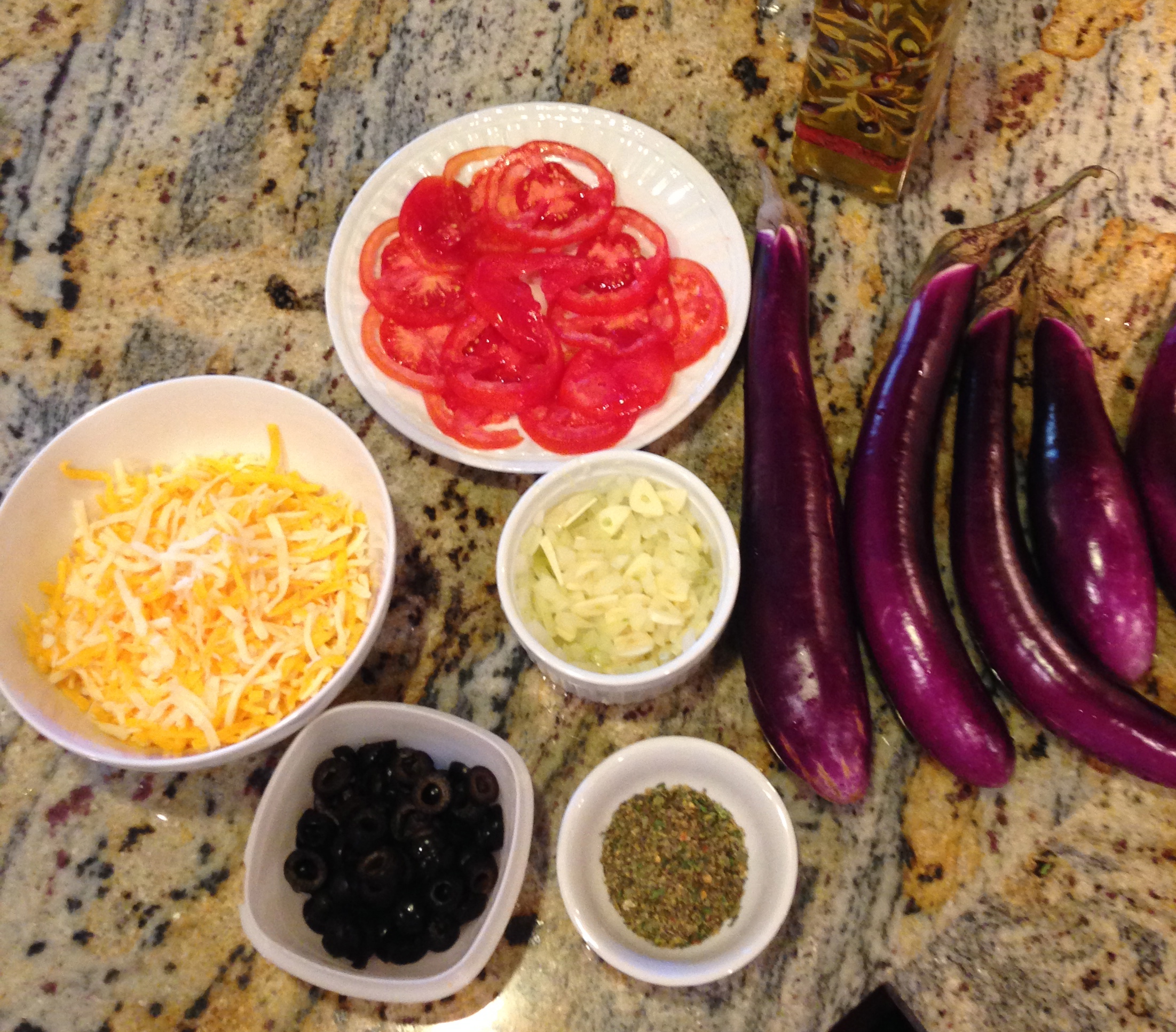
The local farmer’s market was selling Asian eggplant, which is zucchini-shaped and easier to work with. Starting with thin cuts, salted and put in a mixing bowls to sweat the bitter water, I sliced black olives, diced onion, and thinly sliced tomatoes from the mutant bush my son planted that spits out fruit like rabbits spit out young. Italian seasoning provided by my neighbor made the ingredient cut, and a mound of mozzarella mixed with parmesan.
You know the drill. Grease a baking pan with good Italian olive oil, and place a layer of eggplant, then tomato, olives, herbs, onion, cheese, a drizzle of olive oil, and do it all over again. I cooked it at for 45 minutes at 350 degrees, so it just needed to be warmed up.
I heard it was good.
California 99
Posted in Food, Travel with tags bakersfield, california 99, california agriculture, cannery row, fresno, john steinbeck, sacramento, san joaquin valley, travels with charley on October 9, 2013 by David McInerny
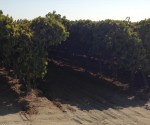
The San Gabriel mountains separate the marvelous unreality of Los Angeles from Bakersfield. No vacation spot, Bakersfield has no aspirations other than to anchor the agricultural juggernaut that is the San Joaquin Valley. Three hundred and fifty miles long by fifty miles wide, the SJV is the most fertile growing region in the world, bread-basket to America. The growing season is remarkably consistent – 95 degrees during the day, cool at night. Receiving very little rain, irrigation canals tap into water from as far away as the upper Midwest, creating near perfect growing conditions, day after day after day.
Bakersfield is a dusty, hard-working town that serves as the agricultural engine to the valley. Pipefitting, trucking, and refining dominate its industries. Located on California state road 99 at the south end of the valley, Bakersfield does the heavy lifting in manufacturing the hardware needed to coax crops from the ground. CA 99 runs straight up through the San Joaquin Valley, from Bakersfield past, Tulare, Fresno, Modesto, and ultimately to Sacramento in the north. A short, ten miles stretch anywhere along the highway reveals a stunning cornucopia of crops: walnuts, grapes (for raisins), cotton, onion, garlic, oranges, parsley, on and on. John Steinbeck grew up in California and was fascinated by its industries needed to feed the country (and wrote about in Cannery Row). He’s be mighty impressed by the valley today, though he did see and describe its emergence late in his life through his travel journal, Travels with Charley.
Fresno is Bakersfield’s polar opposite. It’s the epicenter of the valley, and the highest concentration of agricultural wealth in California. Of all of California’s crops, almond growing is king. It’s an industry that has grown from 800 million lbs. per year to over 2 billion lbs. in the last two decades, with the nut being internationally popular due to its mild flavor and high concentration of antioxidants. Almond grove owners are easy to spot in Fresno – they are the big bellied gents in the nicer restaurants, wearing new jeans and dust-free, fine leather boots, unsuccessfully hiding their smiles. Fresno has no sprawling suburbs. The real estate is just too valuable. Almonds orchards butt up against every edge of the town. Pretty but small row houses are the norm, with fruit trees packed in the tiny backyards. If ever I could be convinced to move to California, I would live in Fresno.
Sacramento is the state capital, and the northern crown of the valley. Ironically, the no-nonsense fiscal conservatives of the SJV feed the country as well as the state coffers and prevent California from succeeding in committing economic suicide. It’s a gorgeous city nonetheless, with the most beautiful capital complex in the U.S. It is also home for some of the behemoth nut companies we see on the retail shelves.
If you are looking for an unusual but beautiful long-weekend vacation, fly into LA, and drive California 99 to Sacramento, and fly home. You’ll see from where an astonishing percentage of the food in your grocery store comes.
Furthur Down the Road
Posted in Music, Travel with tags bill walton deadhead, Bob Weir, furthur, furthur 10/6/13, Grateful Dead, greek theater los angeles, jeff chimenti, john kadlicek, Phil Lesh on October 7, 2013 by David McInerny
The Greek Theater in Los Angeles is an intimate locale for Bob Weir, Phil Lesh and Furthur to end this year’s touring. Six thousand seats set in the edge of the northern foothills, surrounded by gnarly pines, brings Neal Diamond’s callout to the “tree people” on his 1972 live album recorded here, “Hot August Night,” immediately to mind. The mood is remarkably calm for a final show, due I suspect to the high prices scalpers were demanding of Deadheads in the parking lot. As a result, the quotient of Jaguar-riding aficionados is high, but the exuberance is no less palpable. Bill Walton is in the row ahead of me, chatting casually and posing for pictures as the lights go down.
It’s an evening of treats, and clearly Phil and keyboardist Jeff Chimenti have been given the nod to lead the proceedings. Lesh’s vocals take center stage on gems of his like Pride of Cucamonga and Unbroken Chain, but the biggest fun comes from Chimenti who drives the extended jams in these songs into a jazzy realm that inspires Weir and lead guitarist John Kadlecik into unique and pulsating chord patterns.
Intermission brings the good fortune of of a separated couple looking for a ticket swap that lands me in the sixth row, allowing me to feel the front-on assault of a frolicking St. Stephen. The upper crust Deadheads performed admirably, staying on their feet throughout the show, and singing loudly with the band. There were no tree people on this evening, but the parking lots remained full of the unfortunate ticketless who could nonetheless still hear the band and twirled anyway. This not-so-new iteration of remaining members of the Grateful Dead has gelled fantastically, and have become a combo with their own identity. As the saying goes, Jerry would love this band.
Hobo Pockets
Posted in Family, Food with tags good food on the go, hobo pockets, quick meals, versatile side dishes on October 5, 2013 by David McInerny
When family members are busy, living on campus, across town, or a few states over, getting together is fun but hectic. Everyone wants to catch up on extra-familial relationships too and, outside of a planned family dinner, getting everyone fed at the same time is nigh impossible. That’s when hobo pockets emerge from the realm of campfire cooking to the toolbox of essential on-demand meals.
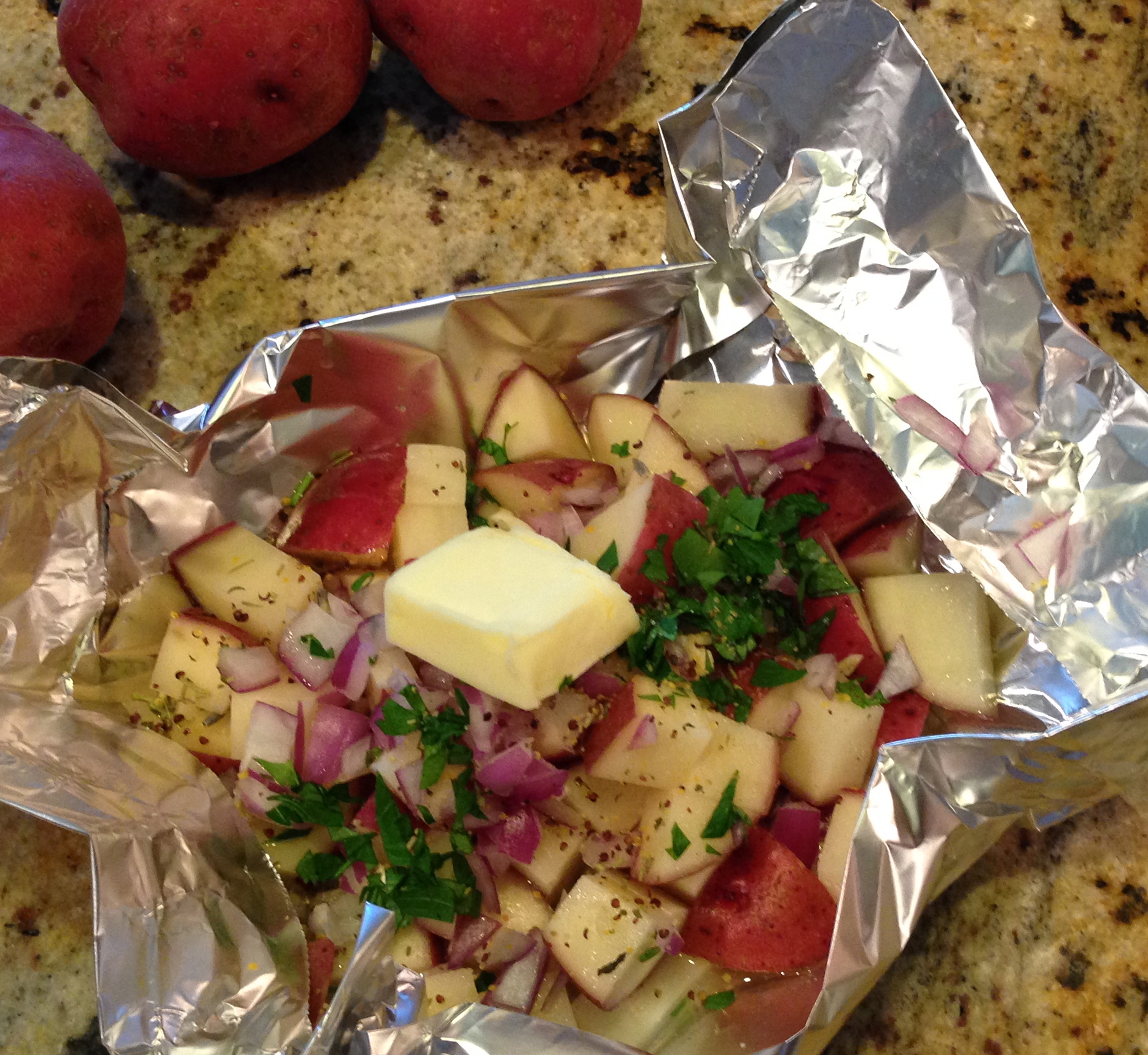
Lay out a sheet of foil for each serving, folding each side in one inch for reinforcement. Place a tablespoon of olive oil in the middle of each, and then start adding ingredients, the most basic of which is red or Yukon potatoes, cut into smaller dices for quicker cooking.
Other essentials are chopped onion, garlic, fresh parsley, dried Italian seasoning, and salt and pepper. This combination makes for a great side. If you want to turn the pockets into meals, add diced cooked sausage, or any leftover chicken or beef from the fridge. Put a pat of butter on top for extra deliciousness, and fold the pockets closed. Place them on a cookie sheet and bake at 350 degrees for 45-50 minutes.
The beauty of hobo pockets is that they can be tumbled immediately onto china for a perfect side, or left in the oven after baking, heat off, for up to two hours and still be hot and ready (and eaten directly from the foil) for whenever the next hungry person rolls through the door. They taste even better when warmed up the night day.