Archive for the Food Category

le boucher

Posted in Fiction, Food, Travel with tags , on June 6, 2014 by David McInerny

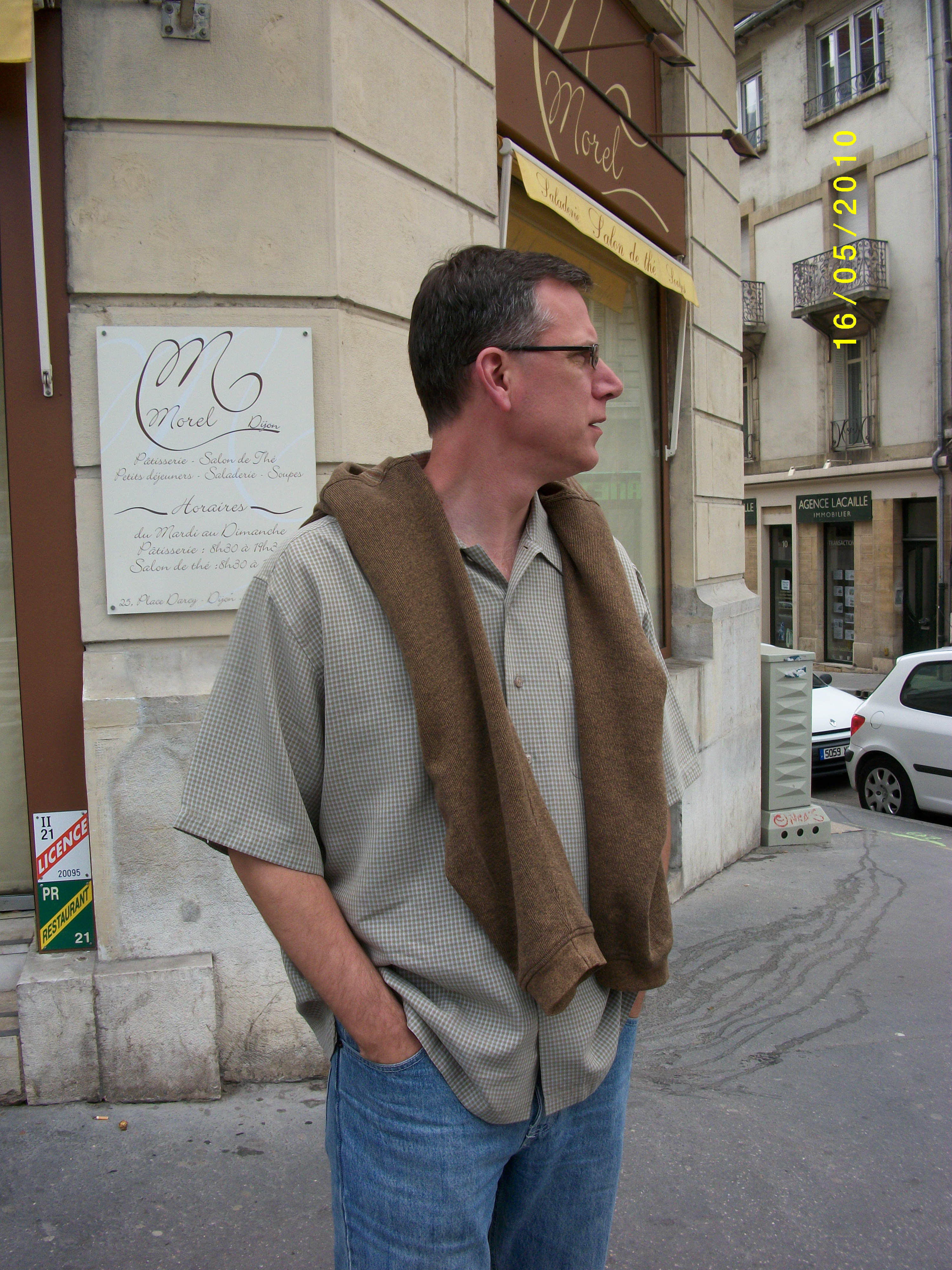
SANYO DIGITAL CAMERAFrom one of my Paris diaries…


Later, after our return to the third arrondissment for some relaxation in the apartment, my youngest and I did something I have never done in the United States. We walked back toward Les Halles and stood in line on the sidewalk and waited our turn to make trade with the neighborhood butcher. Europeans do not eat as much meat as Americans do, even if we discount the enormous amount of beef we consume per capita. They just don’t have the space that we do for herds, and where they do sheep and pigs are more likely to populate the vista than steer.

I suspect that the mentality of your average city-dwelling Frenchman is that if one is going to supplement the evening bottle of red with a chop of some variety, well, it’s going to be as nice a cut as can be found. How else to explain the line outside the butcher shop when Paris has as many grocery chain stores as any other metropolitan area?

My son, whose experience with fresh cooked meat generally involved styrofoam and plastic wrap, was in awe as we made our way slowly inside the shop. We both made note of the transaction process which, even with my limited knowledge of French terms involving bovine and porcine anatomy, clearly involved careful choosing and intense scrutiny and negotiation. The butchers, a husband and wife team, took no offense at the challenging manner of their customers. Rather, they seemed to want it no other way, and I could only conclude that the patronage of such discriminating meat lovers was the ultimate complement to they quality and service.

I’d like to think that they were pleased by foreigners coming to sample their goods, but I think my inability to properly put them through their paces in selecting the choicest cut and trimming it to my exacting standards left the transaction a little undercooked. I pointed at five good looking pork chops and felt meager pride when the she-butcher spun her calculator toward me so I could see the Euro required. I was even more heartbroken when, a few hours later, I gave up trying to figure out how the oven worked and pan-fried the chops using, shall we say, just a little too much heat and time. Nonetheless, the sautéed green beans turned out well, and we filled up on crusty bread. I look back on our visit to the butcher shop as part of the old-world French culinary home experience that many visitors never enjoy.

A Simon and Garfunkel Summer

Posted in Food with tags , on May 20, 2014 by David McInerny

All you need is a small pot, and a love of cooking. Fresh herbs in your cooking make you a “cook,” and they can be grown in an apartment window. My herb staples are oregano, basil and, of course, “parsley sage, rosemary and thyme.” Chopped fresh herbs add a light, earthy flavor to any dish. Start growing!

20140520-201908-73148881.jpg

12 Simple Tips That Will Make You A Better Cook

Posted in Family, Food with tags , on March 29, 2014 by David McInerny

IMG_3617Twenty-five years ago my wife and I ate at the late Charlie Trotter’s iconic Chicago restaurant for the first time. I bought a copy of his new cookbook after dinner, which he was kind enough to sign. Inside the front cover he wrote, “If I can cook, anyone can! Now get into the kitchen!”  The experience inspired me to take cooking lessons from two Michelin awarded chefs, and I’ve been a weekend kitchen warrior ever since.  Over the years, I’ve come to grasp a few culinary truisms that not only enhance the quality of my efforts, but also are inevitably basic and easy to execute. Recently I heard Anthony Bourdain quoted that while many people are intimidated by French cooking, in reality a reasonably bright yorkie could make beouf bourguignon. I agree, and in that spirit, this yorkie would like to share a few kitchen tips.

1. One Good Knife.  You can cook quite well with a $20 chopping knife from WalMart – as long as you get it professionally sharpened twice a year. I recommend spending $100 on one good knife. I use a Global chopping knife made in Japan of #18 stainless steel, given to me by my mother-in-law, and I use it for everything. I’ve only had to sharpen it once in six years. A good knife is the cook’s primary tool, it inspires better culinary effort, and it’s so much safer that a dull knife.

2. Taking Stock.  Water is for drinking – stock is for cooking. Sure, I’ll make my own stock for soups, but I’ve no qualms with the low sodium, fat free cans of stock. In fact, they are an optimum alternative to water when making rice, or boiling potatoes. The difference in richness is splendid.

3. Keeping It Real. If you’re going to the trouble to cook for family and friends, then please, please, please … real butter, real cream, real eggs, real cheese.

4. Which Came First?  Everyone, whether they like to cook or not, should know how to scramble two eggs. But so often I’m served something that wouldn’t pass muster at a Holiday Inn Express free breakfast buffet. My wife and I, and our three kids can all cook a plate of eggs that make guests look up and ask how we did that. My technique: when the pan is heated, grease it with both a bit of butter and olive oil (two fats are always better than one); whisk the eggs in a bowl for a moment with a fork before putting them in the pan; once the eggs begin to cook, gently fold them (don’t stir them!); when the eggs look about done, take them off the heat and drop in a dollop of (real) sour cream and fold a final time. The residual heat of the pan will finish the job.

5. Pull The Cork.  The fact that there is a critical cooking ingredient that can also be sipped to advantage during the cooking process is proof that God loves us. Wine adds a flavor complexity that is unequaled. Use it to deglaze a pan of browned meat, add it to soup, stock, pasta sauce and on and on and on.

6. Fresh Herbs.  Dried milled spices are the way to go, but only fresh herbs add a lightness and aroma that keep a dish from tasting murky and dense. And how satisfying is it to have a few pots of herbs on the porch to harvest as needed for the evening meal? If you’re unsure about the difference fresh herbs make, add two fresh chopped basil leaves to your favorite can of Campbell’s soup and become a believer.

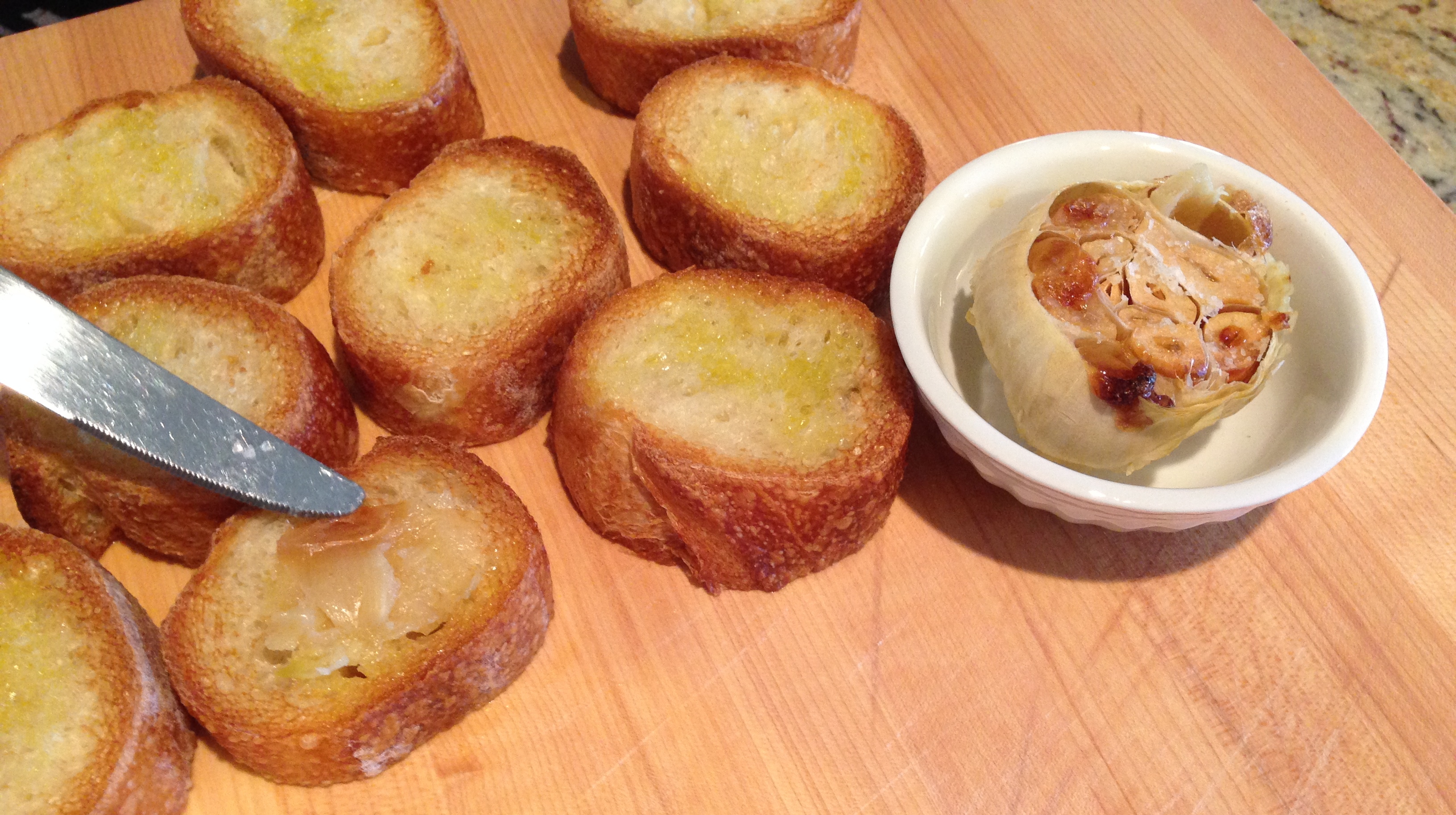
7. Embrace Garlic.  I know you use garlic! All I’m saying is that you should use a lot more. If you’re not knocking down at least two or three bulbs a week, consider yourself a rookie. Everyone innately knows that its aroma means there’s love in the home. Mince garlic into warm or cold salad dressings. Brown garlic in butter and top a steak with it. My wife’s favorite is roasting an entire bulb with olive oil for 40 minutes and using the softened, caramelized cloves as a spread on toasted, crusty bread.

8. Mixed Vegetables.  I’m as guilty as anyone of skating through the vegetable aisle and grabbing carrots, potatoes and a bag of lettuce. But there’s so much more there! You don’t have to learn any new techniques to sautee, boil or steam bok choy, red chard, kale, parsnips, ad infinitum! New flavors, new colors, new textures.

9. Strike Oil.  Let’s make a pact that we’ve purchased our last bottle of “vegetable oil.” It’s soybean oil, and while it does yeoman’s duty greasing a pan, it’s colorless, odorless, and flavorless.  Three suggestions: olive oil, peanut oil, and sesame oil. You need all three. Olive oil is your “go-to” everyday oil. Buy two-quart cans of Extra Virgin at a specialty store and save a bundle per ounce over a chain grocery store. Peanut oil is perfect for oriental cooking and any dish that requires a light touch. Sesame oil can be purchased in small bottles, and a few drops enhances the aroma and flavor of anything!

10. Against The Grain.  I love rice.  I cook it many different ways. Yet, I’m very pleased at the ready availability of other grains recently. Quinoa, buckwheat, barley, millet. As with different veggies, new flavors, new colors, new textures. And cook them in stock!

11. Making Bread.  Yep, it takes half a day to make a few loaves of bread, but only 20 minutes of effort. Five minutes to assemble the ingredients, and 15 minutes to knead. The yeast does the rest of the heavy lifting. You don’t need a bread machine. The kneading can be a family affair – my daughter loved helping making bread. And what mundane meal isn’t transformed by fresh, warm homemade bread? Start with the Fannie Farmer recipe for “Basic White Bread” and you can’t go wrong.

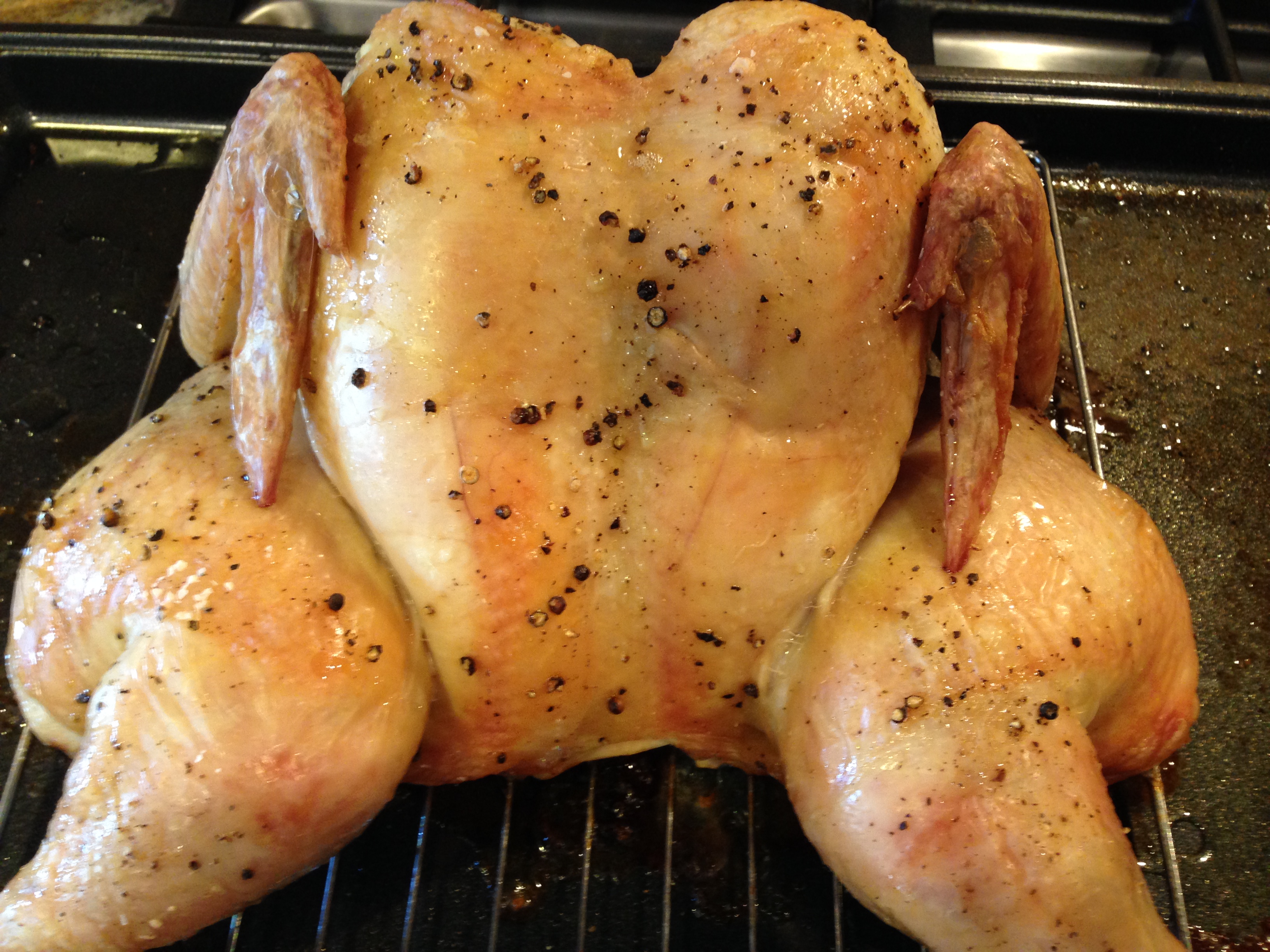
12. Whole Birds.  Boneless and Skinless  = Tasteless. There is nothing hard about roasting a whole bird, and the results are superior. My tip is to remove the backbone of the chicken and save it for the stock pot. The advantage is twofold – you can lay the bird flat which allows for faster, even cooking. Also, since cooking two birds is as easy as one, you can fit two flat whole chickens in the oven at once. One for tonight, and one for stew tomorrow.


IMG_3614 IMG_3619


“Winter of ’14” Ham and Bean Soup

Posted in Food with tags , on February 23, 2014 by David McInerny

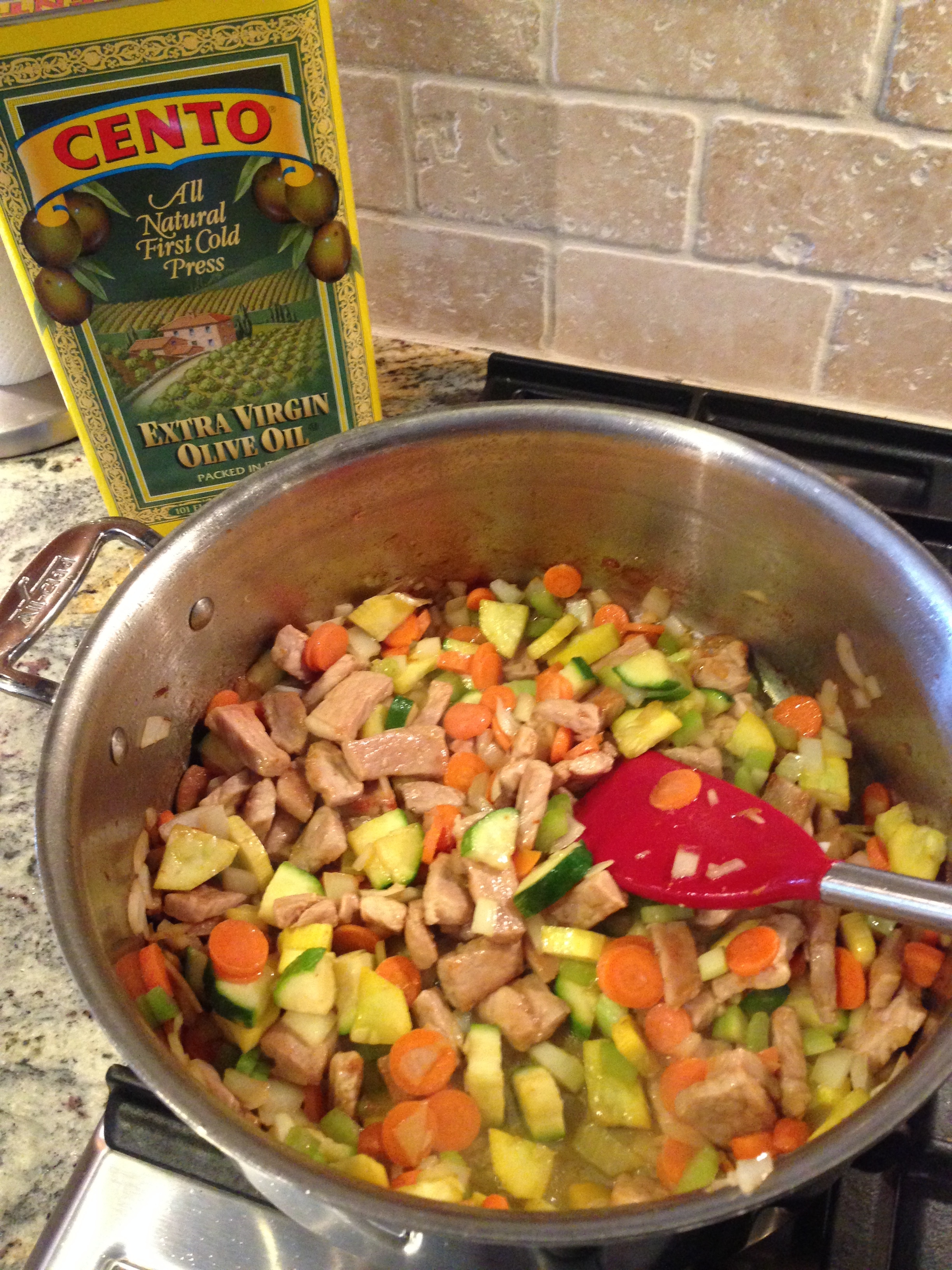
ImageIt’s not every day I open the fridge and see the basic makings of soup ready to go. The Missus had entertained last week while I was in Manila, and there was remaining a lonely, drying bowl of mirepoix – carrots, onion and celery. I started scrounging for soup stuff. A half bag of dried minestrone beans which I started to soak, a lb. of cheap thin pork chops, and I was in business.

Let’s keep it simple and prepare everything in the soup pot. Heat the pot and layer the bottom with good olive oil. Brown small chunks of the pork under high heat. Deglaze the pot with a little white wine and add the mirepoix and more olive oil. Sautee until the carrots shine in color, and the onions begin to caramelize. Deglaze again. These steps create wonderful savory, complex flavors.

Add the beans and 2 quarts of chicken stock, and simmer for three hours. Salt and pepper to taste. To add some extra flavor goodies, chop some fresh parsley and fry a clove of minced garlic for garnish. A little habanero hot sauce and crusty French bread make the meal complete! 

Image

Irish Mashed Potatoes

Posted in Food, Travel with tags , , on November 24, 2013 by David McInerny

IMG_3323I had this side dish a few times in Germany last week. I don’t know if it’s truly Irish, but if they have any sense they’ll claim it. It’s a simple improvement on standard mashed potatoes, and I encourage you to try it this Thanksgiving.

Don’t get hung up on the ratios, but the three main ingredients are potatoes (duh), onions and carrots. For reference though, assume for every lb. of spuds, you’ll need one medium yellow onion and and one medium carrot. Boil the potatoes as normal, and roughly chop the carrots and onion. Boil the carrots separately from the potatoes, and sautee the onions in olive oil until it is browned and caramelized.

Drain the carrots and put into the potato pot, and add the sautéed onion. Continue to boil until the carrots are soft. Drain the vegetables, and return to the pot to mash coarsely with a hand masher, adding the usual amount of butter, milk or sour cream, and salt and pepper. Serve with gravy – I recommend pork gravy.


Goedemorgen!

Posted in Food, Travel with tags , , on November 13, 2013 by David McInerny

IMG_3245There is a small balcony outside of my room on Dam square in Amsterdam, and I woke early and stood in the dark of the morning, enjoying a break in the rain and an orange Fanta. (I rarely drink soda, but orange Fanta was a rare treat when I was a kid living in Europe, and there’s a nostalgia for me in drinking it again.) While I enjoy the brightness of the stars after a night of showers, a pair of all-night revelers cross the Dam, weaving and talking loudly enough to wake Rembrandt. Suddenly, a cacophony of keys and coins banging against windows by the rudely awoken erupts up and down the hotel. The rebuke, of course, only emboldens the pair on the square below, who immediately break into song. The lack of melody and increased barrage of window tapping send me smiling back into the room.

It takes pretty inclement weather to drive a Dutchmen inside for his morning coffee or tea. Like throughout Europe, the tradition of the outdoor cafe runs strong in Holland, but unlike other countries that use heaters and temporary plastic shelters to extend the outdoor experience into the winter, the hearty Dutch are content with a warm cap, possibly a small umbrella, as they sit in the drizzle sipping a hot drink, often leaving the cosy and dry indoor seating empty. But it is inside where I go.

After a late dinner of Dutch Rijstafel, that local variation of spicy Indonesian cuisine, I’m not particularly hungry, but when the proprietor tells me he’s just made fresh quiche Lorraine, I can’t resist. The quiche goes great with a strong cup of coffee, and I even find myself enjoying the colorful side of pickled vegetables. Are Americans the only country to completely eschew vegetables or legumes for breakfast? Thinking that this might be another key to the secret of the health and longevity of other cultures, I resolve to start eating mashed potatoes with gravy for breakfast when I return home.

IMG_3247

Frankfurt Altstadt

Posted in Books, Food, Travel with tags , , , , on November 8, 2013 by David McInerny

IMG_3219There is a comfort in visiting German cities in that there is always the reliable Altstadt, or Old City, predictably waiting in the epicenter of town. Simply look for the tallest church spire in the skyline and walk toward it. Soon cars will be diverted away, and the streets will turn cobbled. Then a main square opens up revealing the church, ornate 18th century structures, and the formidable Rathaus, or Town Hall. Frankfurt is no exception. 

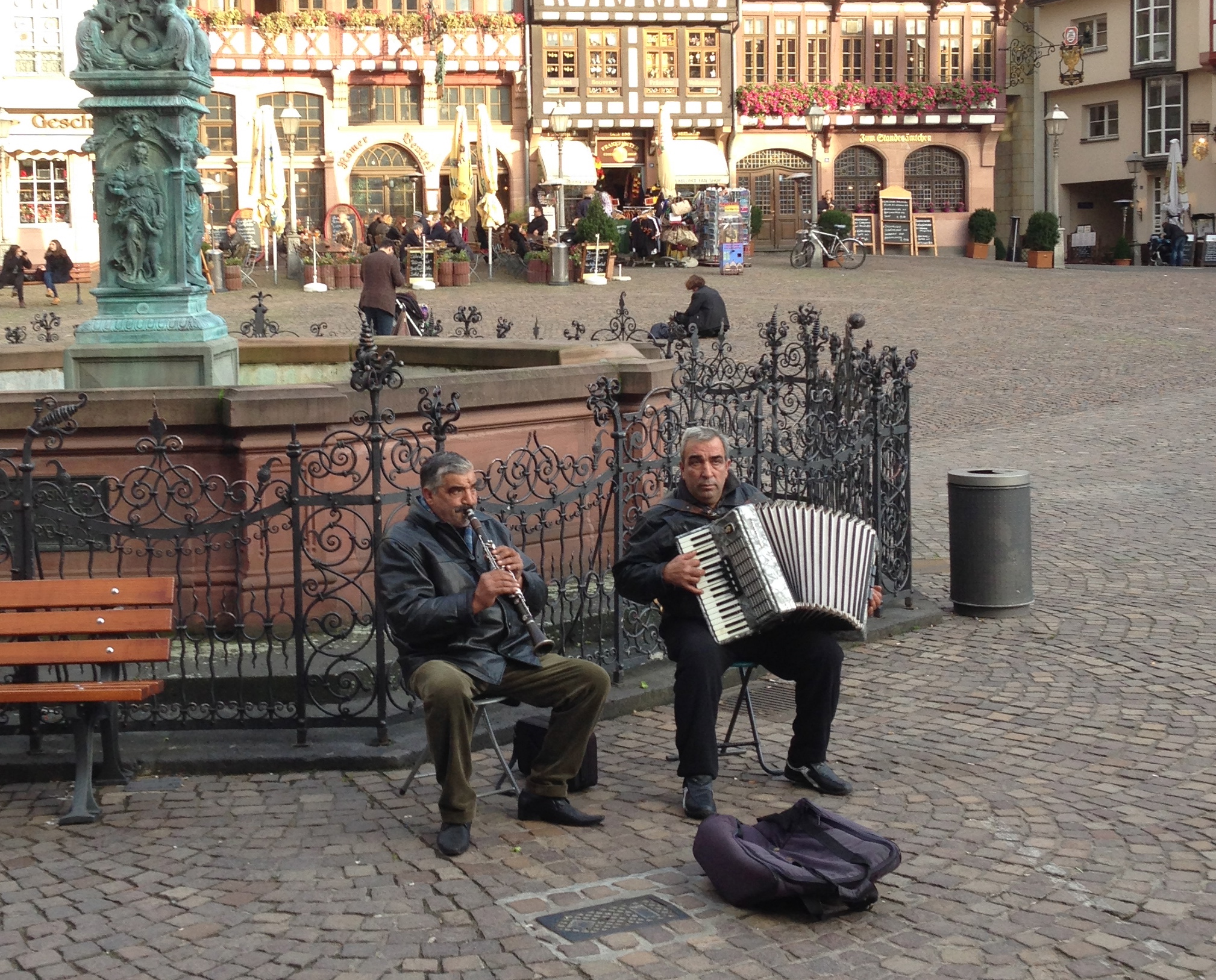
It’s easy to understand why the welcoming feel of the typical German Altstadt has been the inspiration of places as diverse as Epcot and downtown Vail. Impeccably clean and tidy, Frankfurt’s Altstadt is as inviting as any German city, but with more of a sense of coziness than Munich’s or Cologne’s. While, as anywhere, you’ll pay more for a meal for the privilege of location and a view, once situated the tourist is welcomed and his rusty German tolerated, if with mild amusement. Outdoor cafes abound, as do the inimitable German Gasthaus, guesthouse, which is the equivalent of the French bistro. The culinary anchor of Frankfurt’s square is the Schwartzer Stern, or Black Star restaurant, and its prices reflect its reputation. I prefer a seat outside at a cafe, where I can watch an accordionist and clarinetist play soft jazz to the passersby for coins tossed on a blanket.

The Frankfurt Altstadt has the additional benefit of boasting the birthplace of Germany’s literary son, Goethe. Faust, his great tragic play, is still a perennial favorite among Germans and remains on the “great books” list of major Universities. It was a joy to stumble across the house and have a surprise chance to see the excellent museum inside.

Frankfurt is the European hub for many U.S. airlines so, if on the way to Munich, Paris, or Rome you have a layover in Frankfurt lasting more than two hours, the Altstadt here is well worth the ten minute cab ride from the airport.

IMG_3213

IMG_3214 IMG_3215 IMG_3216

Eggplant Parmesan

Posted in Food with tags , , on October 10, 2013 by David McInerny

IMG_3029My daughter isn’t strictly a vegetarian, she just loves vegetables. So I wanted to make a dish for her, even though I would be on my current business trip before she got to the house and I couldn’t see her enjoy it. I decided on eggplant parm with a little extra veggie punch.

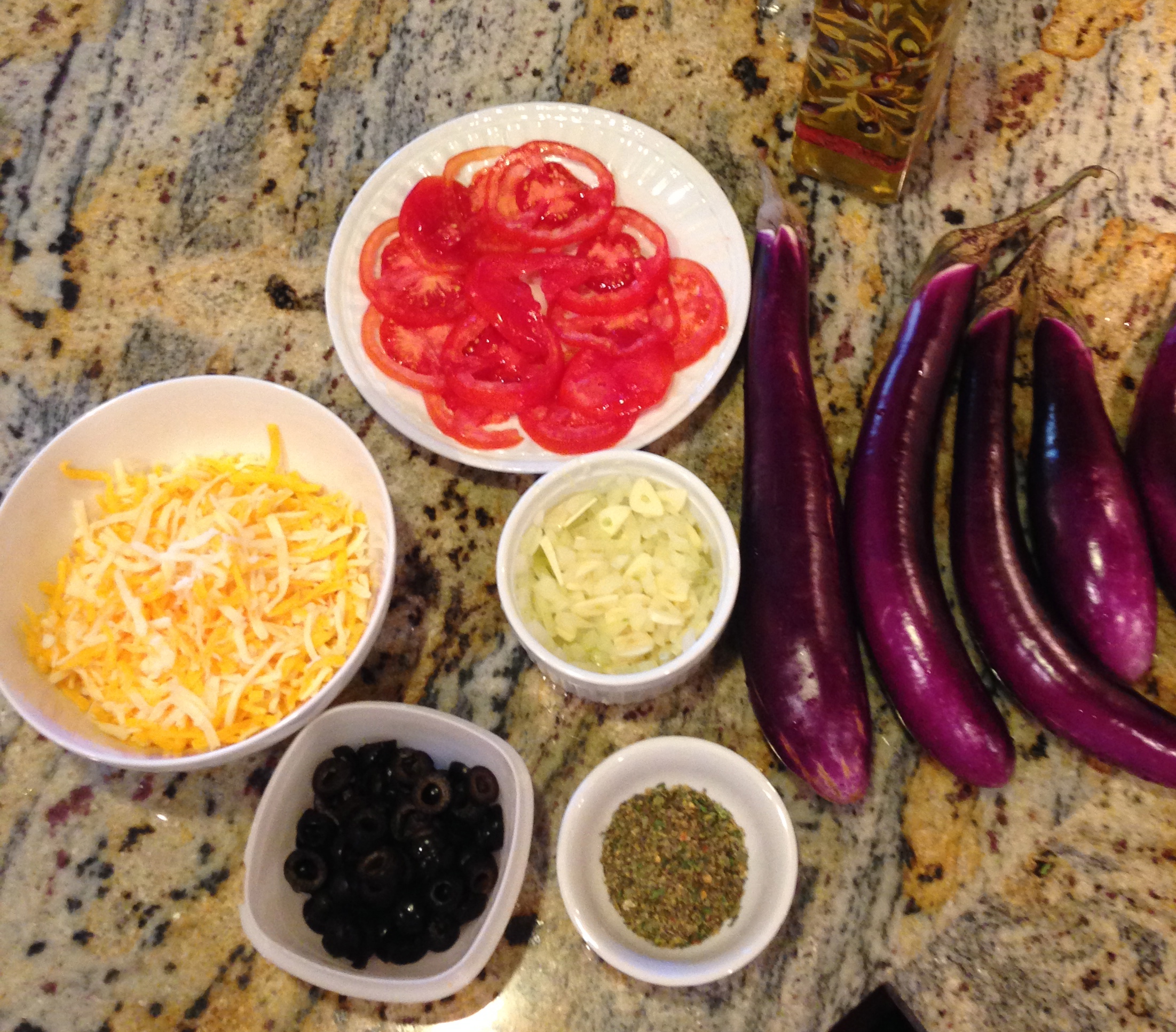
The local farmer’s market was selling Asian eggplant, which is zucchini-shaped and easier to work with. Starting with thin cuts, salted and put in a mixing bowls to sweat the bitter water, I sliced black olives, diced onion, and thinly sliced tomatoes from the mutant bush my son planted that spits out fruit like rabbits spit out young.  Italian seasoning provided by my neighbor made the ingredient cut, and a mound of mozzarella mixed with parmesan.

You know the drill. Grease a baking pan with good Italian olive oil, and place a layer of eggplant, then tomato, olives, herbs, onion, cheese, a drizzle of olive oil, and do it all over again. I cooked it at for 45 minutes at 350 degrees, so it just needed to be warmed up.

I heard it was good.

IMG_3030

California 99

Posted in Food, Travel with tags , , , , , , , , on October 9, 2013 by David McInerny

IMG_3054The San Gabriel mountains separate the marvelous unreality of Los Angeles from Bakersfield. No vacation spot, Bakersfield has no aspirations other than to anchor the agricultural juggernaut that is the San Joaquin Valley. Three hundred and fifty miles long by fifty miles wide, the SJV is the most fertile growing region in the world, bread-basket to America. The growing season is remarkably consistent – 95 degrees during the day, cool at night. Receiving very little rain, irrigation canals tap into water from as far away as the upper Midwest, creating near perfect growing conditions, day after day after day.

Bakersfield is a dusty, hard-working town that serves as the agricultural engine to the valley. Pipefitting, trucking, and refining dominate its industries. Located on California state road 99 at the south end of the valley, Bakersfield does the heavy lifting in manufacturing the hardware needed to coax crops from the ground. CA 99 runs straight up through the San Joaquin Valley, from Bakersfield past, Tulare, Fresno, Modesto, and ultimately to Sacramento in the north. A short, ten miles stretch anywhere along the highway reveals a stunning cornucopia of crops: walnuts, grapes (for raisins), cotton, onion, garlic, oranges, parsley, on and on. John Steinbeck grew up in California and was fascinated by its industries needed to feed the country (and wrote about in Cannery Row). He’s be mighty impressed by the valley today, though he did see and describe its emergence late in his life through his travel journal, Travels with Charley.

Fresno is Bakersfield’s polar opposite. It’s the epicenter of the valley, and the highest concentration of agricultural wealth in California. Of all of California’s crops, almond growing is king. It’s an industry that has grown from 800 million lbs. per year to over 2 billion lbs. in the last two decades, with the nut being internationally popular due to its mild flavor and high concentration of antioxidants. Almond grove owners are easy to spot in Fresno – they are the big bellied gents in the nicer restaurants, wearing new jeans and dust-free, fine leather boots, unsuccessfully hiding their smiles. Fresno has no sprawling suburbs. The real estate is just too valuable. Almonds orchards butt up against every edge of the town. Pretty but small row houses are the norm, with fruit trees packed in the tiny backyards. If ever I could be convinced to move to California, I would live in Fresno.

Sacramento is the state capital, and the northern crown of the valley. Ironically, the no-nonsense fiscal conservatives of the SJV feed the country as well as the state coffers and prevent California from succeeding in committing economic suicide. It’s a gorgeous city nonetheless, with the most beautiful capital complex in the U.S. It is also home for some of the behemoth nut companies we see on the retail shelves.

If you are looking for an unusual but beautiful long-weekend vacation, fly into LA, and drive California 99 to Sacramento, and fly home. You’ll see from where an astonishing percentage of the food in your grocery store comes.

IMG_3052

Hobo Pockets

Posted in Family, Food with tags , , , on October 5, 2013 by David McInerny

IMG_3007When family members are busy, living on campus, across town, or a few states over, getting together is fun but hectic. Everyone wants to catch up on extra-familial relationships too and, outside of a planned family dinner, getting everyone fed at the same time is nigh impossible. That’s when hobo pockets emerge from the realm of campfire cooking to the toolbox of essential on-demand meals.

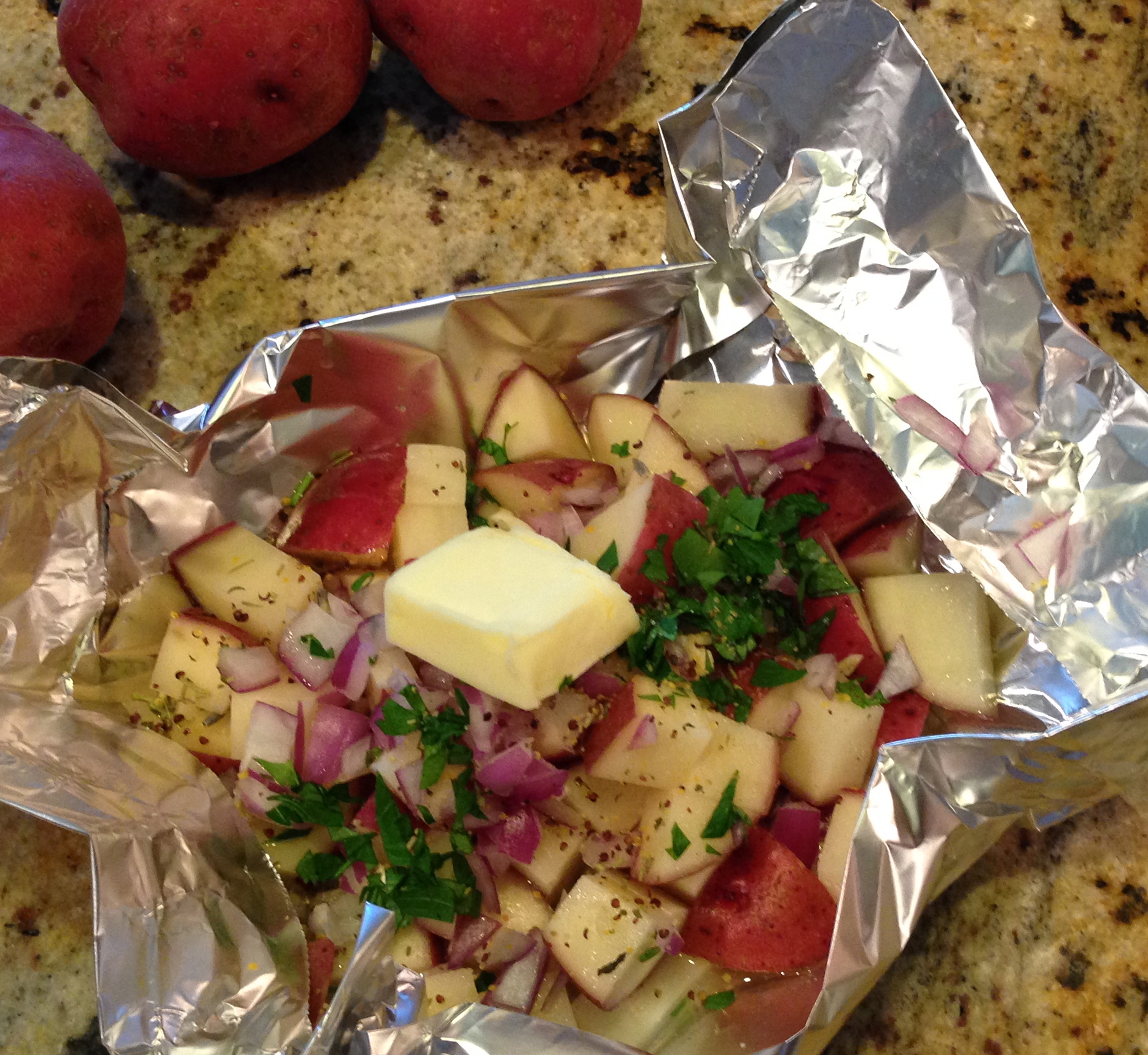
Lay out a sheet of foil for each serving, folding each side in one inch for reinforcement. Place a tablespoon of olive oil in the middle of each, and then start adding ingredients, the most basic of which is red or Yukon potatoes, cut into smaller dices for quicker cooking.

Other essentials are chopped onion, garlic, fresh parsley, dried Italian seasoning, and salt and pepper. This combination makes for a great side. If you want to turn the pockets into meals, add diced cooked sausage, or any leftover chicken or beef from the fridge. Put a pat of butter on top for extra deliciousness, and fold the pockets closed. Place them on a cookie sheet and bake at 350 degrees for 45-50 minutes.

The beauty of hobo pockets is that they can be tumbled immediately onto china for a perfect side, or left in the oven after baking, heat off, for up to two hours and still be hot and ready (and eaten directly from the foil) for whenever the next hungry person rolls through the door.  They taste even better when warmed up the night day.