 Twenty-five years ago my wife and I ate at the late Charlie Trotter’s iconic Chicago restaurant for the first time. I bought a copy of his new cookbook after dinner, which he was kind enough to sign. Inside the front cover he wrote, “If I can cook, anyone can! Now get into the kitchen!” The experience inspired me to take cooking lessons from two Michelin awarded chefs, and I’ve been a weekend kitchen warrior ever since. Over the years, I’ve come to grasp a few culinary truisms that not only enhance the quality of my efforts, but also are inevitably basic and easy to execute. Recently I heard Anthony Bourdain quoted that while many people are intimidated by French cooking, in reality a reasonably bright yorkie could make beouf bourguignon. I agree, and in that spirit, this yorkie would like to share a few kitchen tips.
1. One Good Knife. You can cook quite well with a $20 chopping knife from WalMart – as long as you get it professionally sharpened twice a year. I recommend spending $100 on one good knife. I use a Global chopping knife made in Japan of #18 stainless steel, given to me by my mother-in-law, and I use it for everything. I’ve only had to sharpen it once in six years. A good knife is the cook’s primary tool, it inspires better culinary effort, and it’s so much safer that a dull knife.
2. Taking Stock. Water is for drinking – stock is for cooking. Sure, I’ll make my own stock for soups, but I’ve no qualms with the low sodium, fat free cans of stock. In fact, they are an optimum alternative to water when making rice, or boiling potatoes. The difference in richness is splendid.
3. Keeping It Real. If you’re going to the trouble to cook for family and friends, then please, please, please … real butter, real cream, real eggs, real cheese.
4. Which Came First? Everyone, whether they like to cook or not, should know how to scramble two eggs. But so often I’m served something that wouldn’t pass muster at a Holiday Inn Express free breakfast buffet. My wife and I, and our three kids can all cook a plate of eggs that make guests look up and ask how we did that. My technique: when the pan is heated, grease it with both a bit of butter and olive oil (two fats are always better than one); whisk the eggs in a bowl for a moment with a fork before putting them in the pan; once the eggs begin to cook, gently fold them (don’t stir them!); when the eggs look about done, take them off the heat and drop in a dollop of (real) sour cream and fold a final time. The residual heat of the pan will finish the job.
5. Pull The Cork. The fact that there is a critical cooking ingredient that can also be sipped to advantage during the cooking process is proof that God loves us. Wine adds a flavor complexity that is unequaled. Use it to deglaze a pan of browned meat, add it to soup, stock, pasta sauce and on and on and on.
6. Fresh Herbs. Dried milled spices are the way to go, but only fresh herbs add a lightness and aroma that keep a dish from tasting murky and dense. And how satisfying is it to have a few pots of herbs on the porch to harvest as needed for the evening meal? If you’re unsure about the difference fresh herbs make, add two fresh chopped basil leaves to your favorite can of Campbell’s soup and become a believer.
7. Embrace Garlic. I know you use garlic! All I’m saying is that you should use a lot more. If you’re not knocking down at least two or three bulbs a week, consider yourself a rookie. Everyone innately knows that its aroma means there’s love in the home. Mince garlic into warm or cold salad dressings. Brown garlic in butter and top a steak with it. My wife’s favorite is roasting an entire bulb with olive oil for 40 minutes and using the softened, caramelized cloves as a spread on toasted, crusty bread.
8. Mixed Vegetables. I’m as guilty as anyone of skating through the vegetable aisle and grabbing carrots, potatoes and a bag of lettuce. But there’s so much more there! You don’t have to learn any new techniques to sautee, boil or steam bok choy, red chard, kale, parsnips, ad infinitum! New flavors, new colors, new textures.
9. Strike Oil. Let’s make a pact that we’ve purchased our last bottle of “vegetable oil.” It’s soybean oil, and while it does yeoman’s duty greasing a pan, it’s colorless, odorless, and flavorless. Three suggestions: olive oil, peanut oil, and sesame oil. You need all three. Olive oil is your “go-to” everyday oil. Buy two-quart cans of Extra Virgin at a specialty store and save a bundle per ounce over a chain grocery store. Peanut oil is perfect for oriental cooking and any dish that requires a light touch. Sesame oil can be purchased in small bottles, and a few drops enhances the aroma and flavor of anything!
10. Against The Grain. I love rice. I cook it many different ways. Yet, I’m very pleased at the ready availability of other grains recently. Quinoa, buckwheat, barley, millet. As with different veggies, new flavors, new colors, new textures. And cook them in stock!
11. Making Bread. Yep, it takes half a day to make a few loaves of bread, but only 20 minutes of effort. Five minutes to assemble the ingredients, and 15 minutes to knead. The yeast does the rest of the heavy lifting. You don’t need a bread machine. The kneading can be a family affair – my daughter loved helping making bread. And what mundane meal isn’t transformed by fresh, warm homemade bread? Start with the Fannie Farmer recipe for “Basic White Bread” and you can’t go wrong.
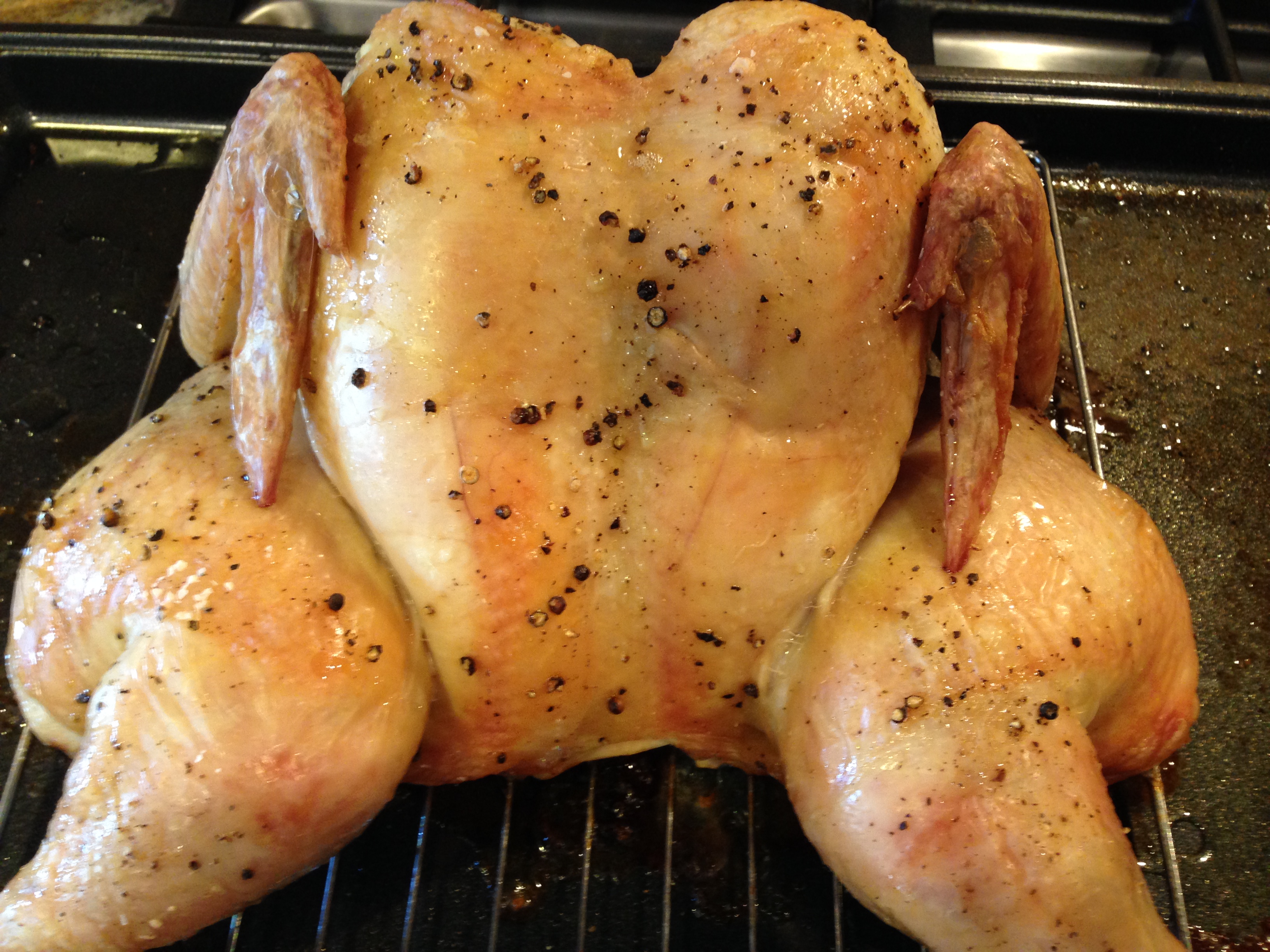
12. Whole Birds. Boneless and Skinless = Tasteless. There is nothing hard about roasting a whole bird, and the results are superior. My tip is to remove the backbone of the chicken and save it for the stock pot. The advantage is twofold – you can lay the bird flat which allows for faster, even cooking. Also, since cooking two birds is as easy as one, you can fit two flat whole chickens in the oven at once. One for tonight, and one for stew tomorrow.


 berowne.com