 When Shelby Foote was asked by his publisher to write a short history of the Civil War, he responded with a 2,900 page, 1 million word epic which took him twenty years to complete. You may remember Foote as the gray-bearded commentator of the Confederacy in Ken’s Burn’s TV documentary. He was a native Mississippian author, and a friend of the equally erudite author Walker Percy from the same state.
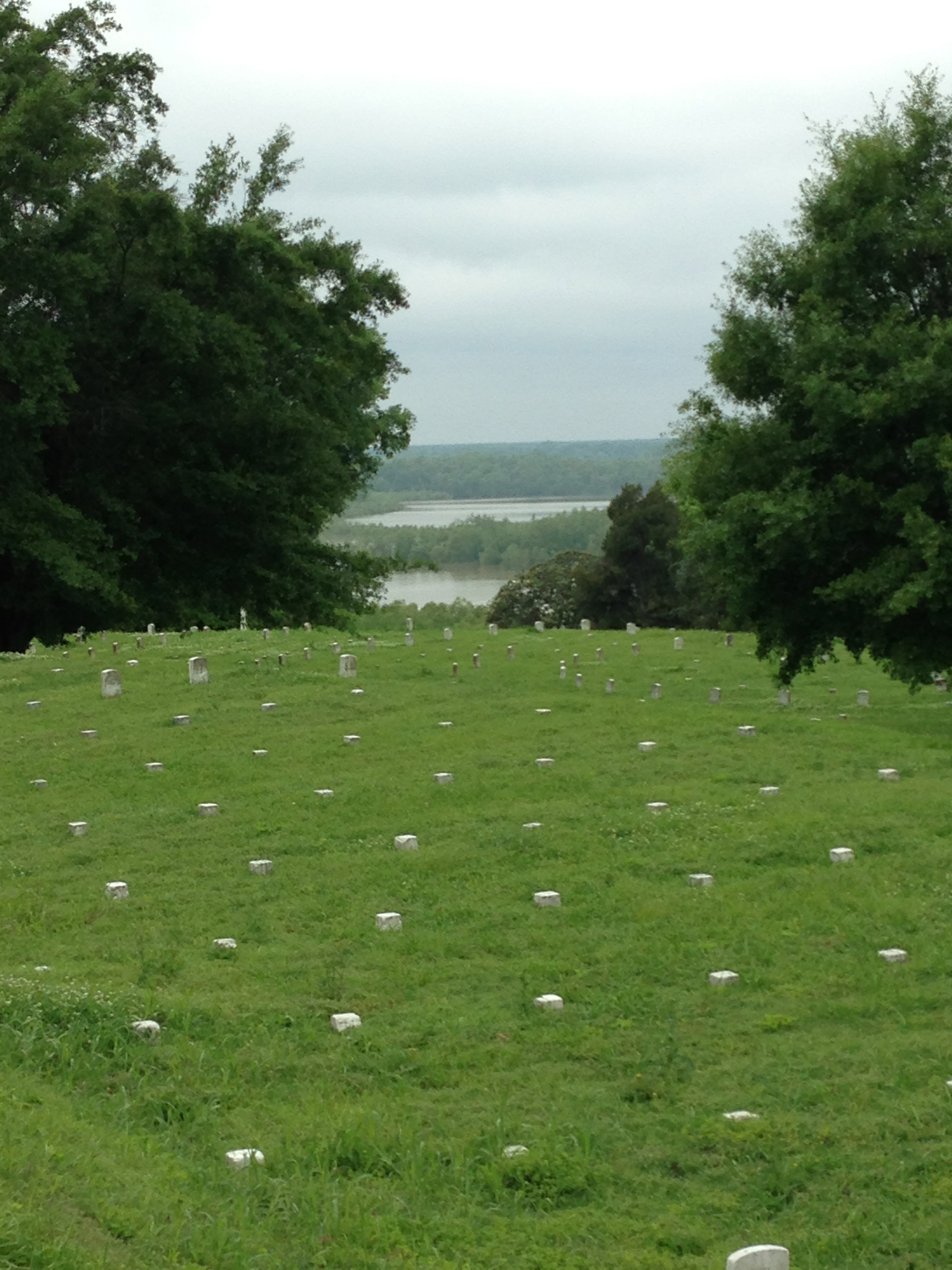
Having recently toured the Vicksburg battlefield, and remembering Foote was from Mississippi, I was interested to read how the author treated the Union siege victory within his home state in 1863. I’ve just finished reading his 350 page chronicle of the conflict from his 3 volume opus. Understandably, Shelby is not overly kind to Grant, fueling his reputation as being cruel to friends and foe, as well as a drunkard. He takes pains to describe the situation in which the Confederate general Pemberton calls for a truce so that Grant’s army can clear the Union dead from outside the Vicksburg embattlements, such was the stench resulting from the oppressive June heat. Cruelty on Grant’s part, or a gruesome yet effective psychological stratagem?
Right before Vicksburg falls, and the Union regains control of the Mississippi River, Foote detours into the only chronicled episode describing Grant’s alleged drinking, a two-day bender in which Grant is saved from embarrassment in front of his troops by a reporter, the same reporter who tells the story. I do not begrudge Shelby Foote his bias, which is shown in many more occasions of his description of the conflict, but it does indeed show how the love of time and place can affect the view of the historian. Further, it must be said, I still consider Foote’s work to be the defining word on the history of the Civil War, with apologies to McPherson and Catton.
The fact is, Grant’s victory at Vicksburg reflected Napoleonic genius in its planning and execution, as declared by General Sherman, whose reputation was made there as well, and by Lincoln himself. The latter awarded Grant the rank of Major General after battle. When detractors approached Lincoln with stories of Grant’s cruelty and love of whisky, he always responded in the same way. “I can’t spare him. He fights.”




 berowne.com