I was rustled out of bed early, since the monsoon rains had intensified overnight and would make the drive from Medina to Cagayan de Oro much longer. I showered, and stepped out of the factory’s guesthouse to make my way for coffee on the deck overlooking the sea. On the way was a small chapel that the coconut factory management collected in each morning for devotions before work. On impulse I went in, kneeled for a few minutes and prayed.
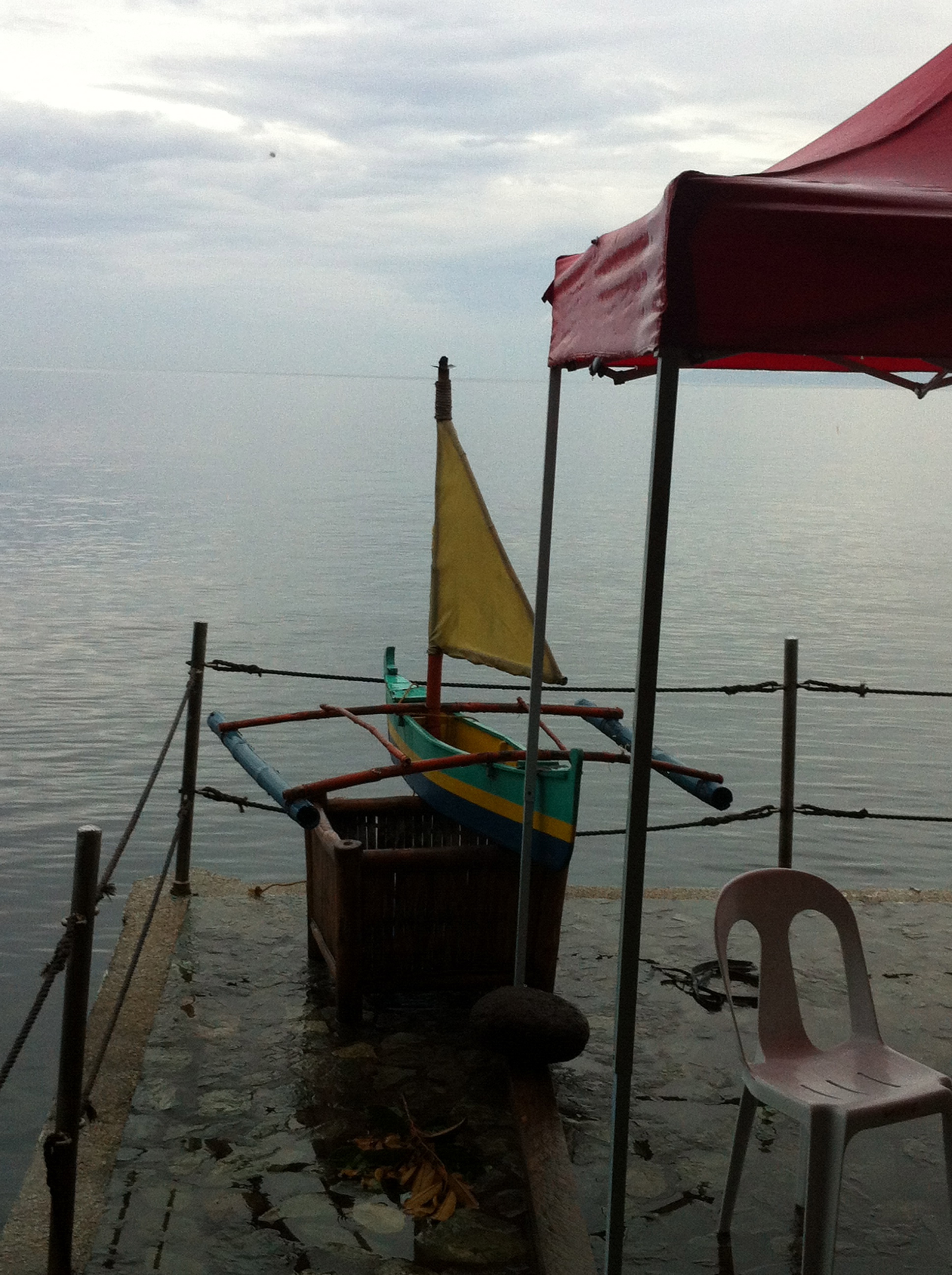
I had the deck to myself for a time. I sipped coffee, watching the small fishing boats come in through the mist after a night of net-fishing, pulling their craft and catch onto the Medina beach. Breakfast was crab stir-fry, delicious sardines cooked in olive oil (olive oil being exotic in the Philippines), coconut water and, in an awkward nod to the Irish-American, corned beef. We ate hurriedly so we could climb into the van and get started.
The two-lane road is a major artery on the island of Mindanao, but it is in appalling shape and constantly under construction. The road construction firm, in order to get the business, must return 30% of the awarded bid to the local congressman, and 30% to the mayor. Left with only 40% of what he expected to be paid, the contractor cuts corners by adding more water to the concrete, weakening the completed road. The typhoons and monsoons make quick work of the vulnerable concrete, and the process begins anew.
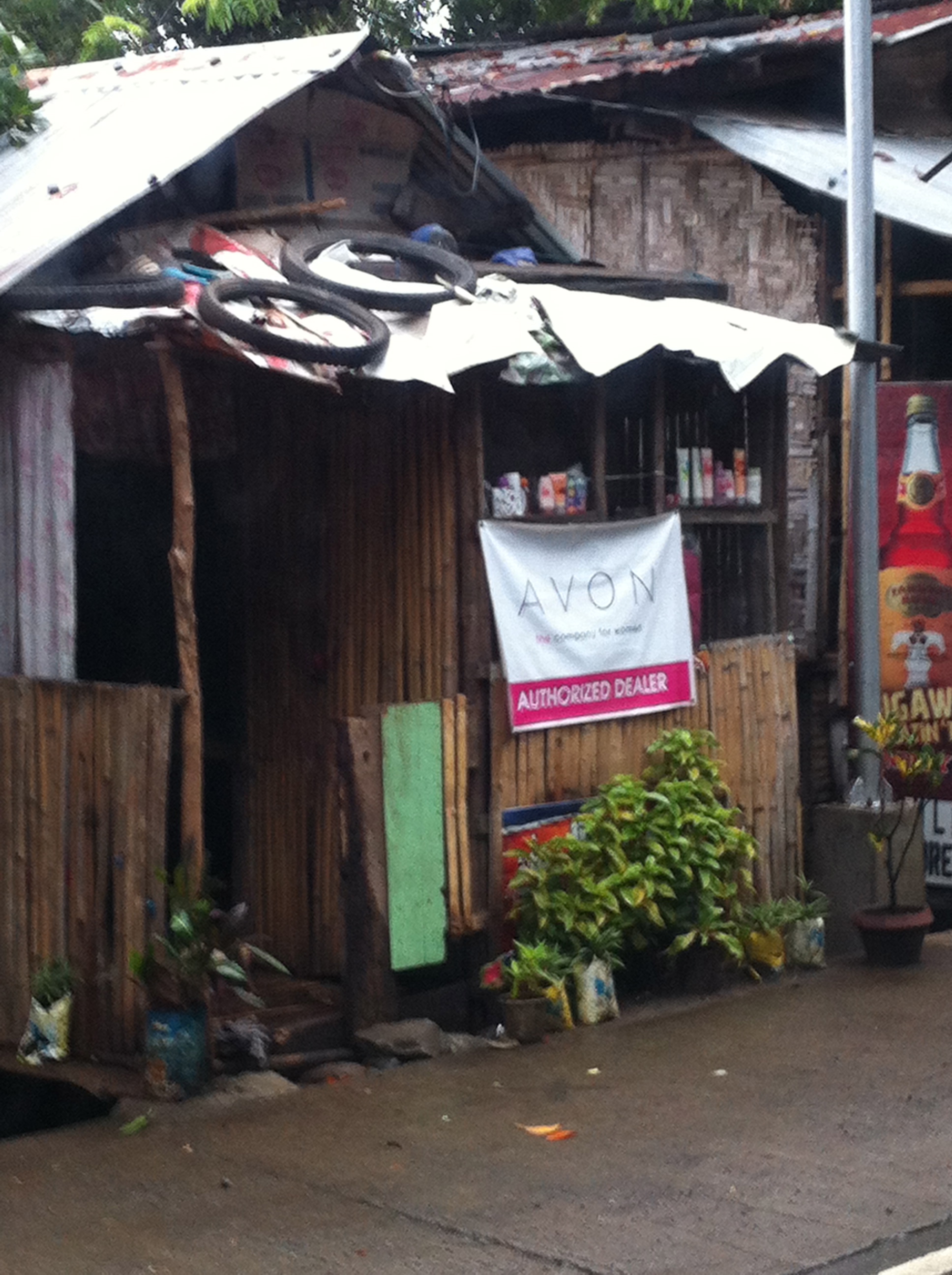
The left side of the road, on the interior side of the island, has homes on large tracts of land with steer grazing among geometrically cultivated groves of coconut, papaya and pineapple. The houses are built with cinderblock and plaster, walls painted in deep yellow and ochre, and wrought iron gates over concrete driveways. These are farmers that can afford to pay the tax that allows them to lease the land from the government for as long as they can continue to pay the tax. The sea-side of the road contain clusters of one-room huts made from dried and braided palm fronds and scraps of wood. These are families unable to pay the land tax, and who are squatting on public land. Nonetheless, the tiny domiciles are neat, with laughing children watching the traffic on the road, boys husking wild coconuts, and parents tending a few chickens, maybe a goat or pig, and a miniscule rice patty. They are completely self-sufficient.
The rain soaks the island unabated. Ahead, an open Pepsi truck has lost control and spilled its entire load of liter plastic bottles on the road. Locals from both sides scramble from their homes to collect the free Pepsi that litters the road and ditch. The driver can only pick up and stack the now empty blue cases on the side of the road so that traffic can pass. We sit without moving a long time, however, before that happens.
Waiting, I watch a boy about four years old emerge from a hut, wearing only a t-shirt. He stretches his little brown body and walks sleepily away from the hut. Stopping at the base of a young banana tree, he performs his morning constitution in the 10,000-year-old tradition. He squats, fertilizes the tree, and then stands to pull a banana leaf from the tree. After folding it lengthwise, he reaches back and pulls the leaf up through his crack like a violin bow. Then, placing the leaf dirty side down over his gift to the tree, he yawns, stretches again, and climbs back into the house of palm and wood for a likely breakfast of rice and coconut water.
We ultimately do make it to the diminutive airfield in Cagayan de Oro, in time for a makeshift lunch before climbing onto the plane for Manila. The 100-kilometer drive, which would take an hour on a Western highway, has required an entire morning. I wouldn’t have missed it for anything.


 berowne.com