Archive for simenon

Mouscron to Bruxelles

Posted in Food, Travel with tags , , , , , , , , on January 25, 2015 by David McInerny

IMG_4540

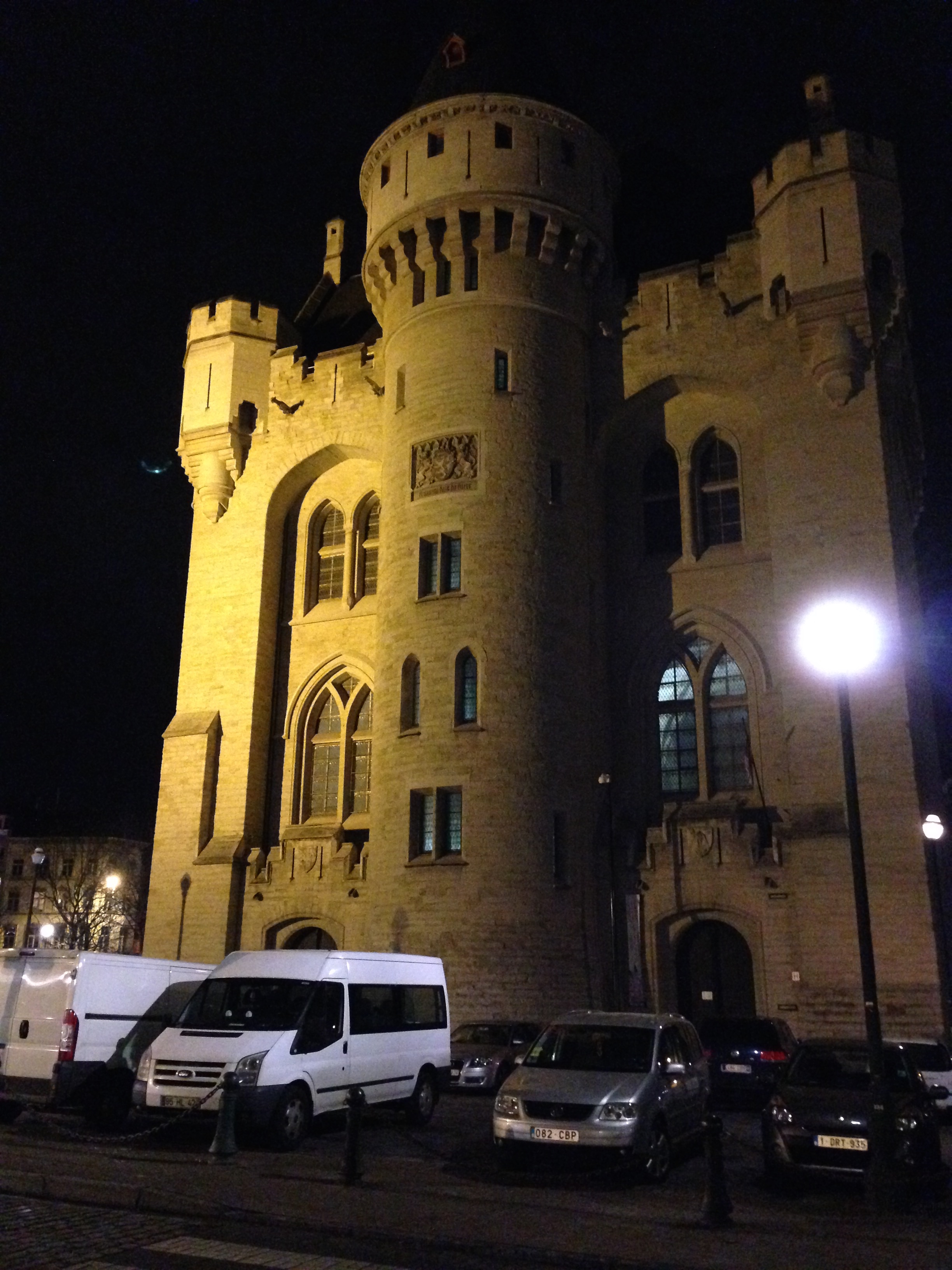
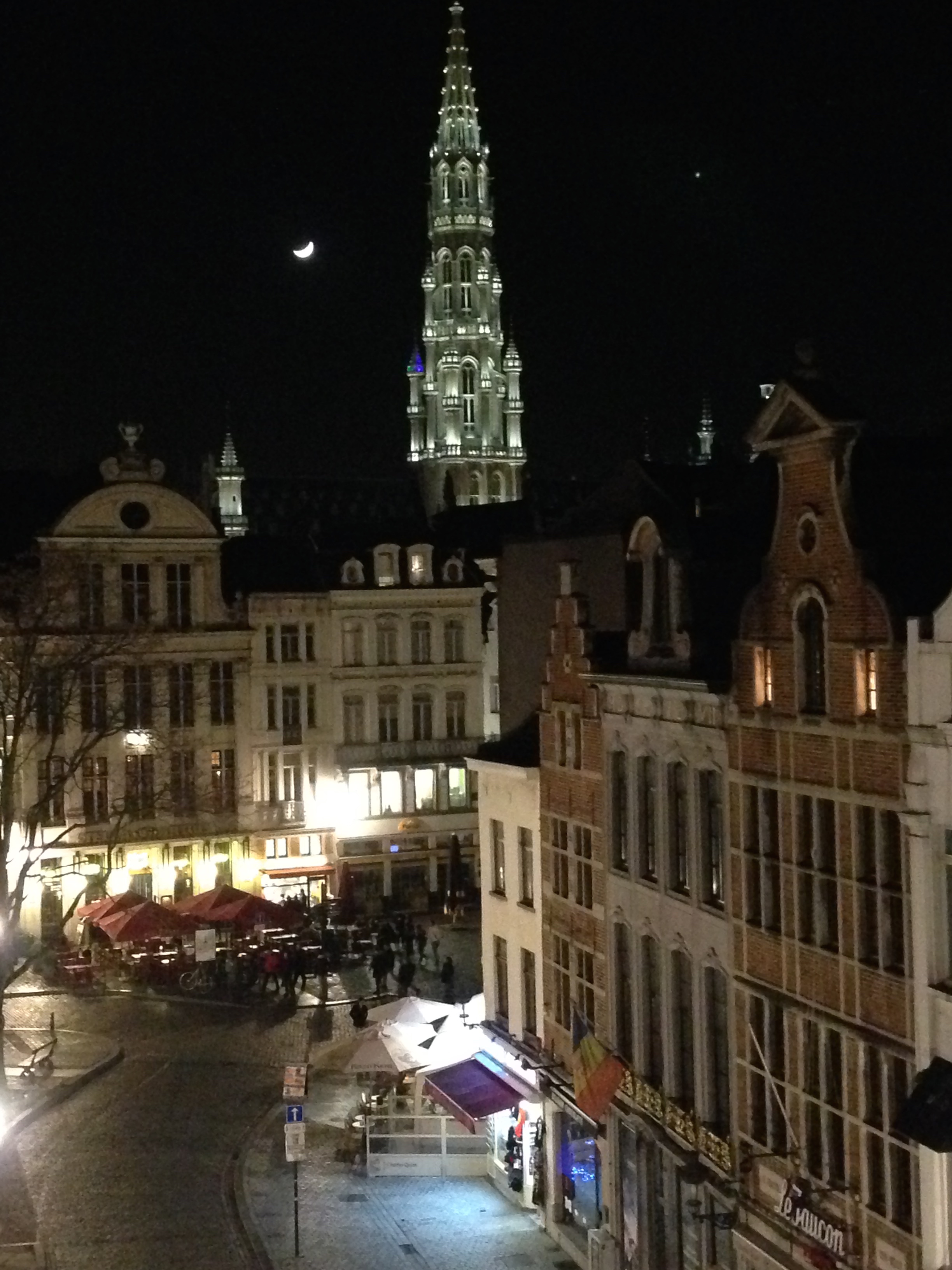
Early in the morning I checked out of my hotel in Mouscron, a village in the south of Belgium across the border from Lilles, France and made my way to Brussels. Once hailed as the business center of Europe, most of us know Brussels now as the center of chocolate and beer. This charming jewel in the center of what was Flanders still has much of which to be proud. I entered through a tastefully efficient and clean train station and immediately stepped into a wide ranging museum district. A small hill opens onto the Grand Place, a Baroque city center of boutique hotels, small shops and dizzying array of small, bustling restaurants.

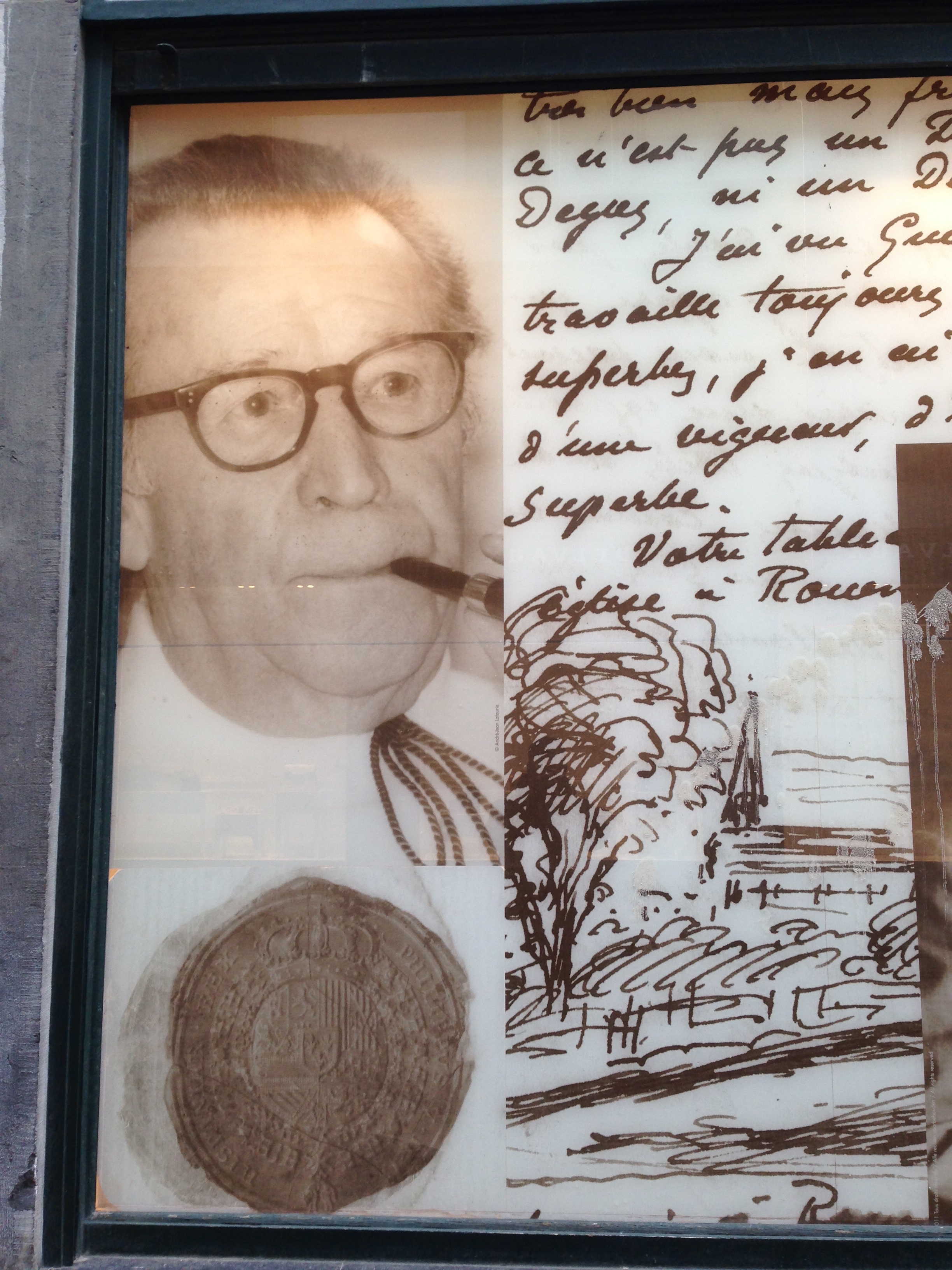
I have to admit being in Brussels once before, as a child in 1970, but I remember next to nothing, which is forgivable because Brussels is for adults, not in the Las Vegas sense, rather for those in search of rich medieval history, vibrant cultural art, high quality jewelry or an incomparable meal. In addition, Belgium counts among its greats Victor Hugo, Georges Simenon (see blog from 7/10/12), Rubens, and Herge (see blog from 9/5/12).
IMG_4560 IMG_4559

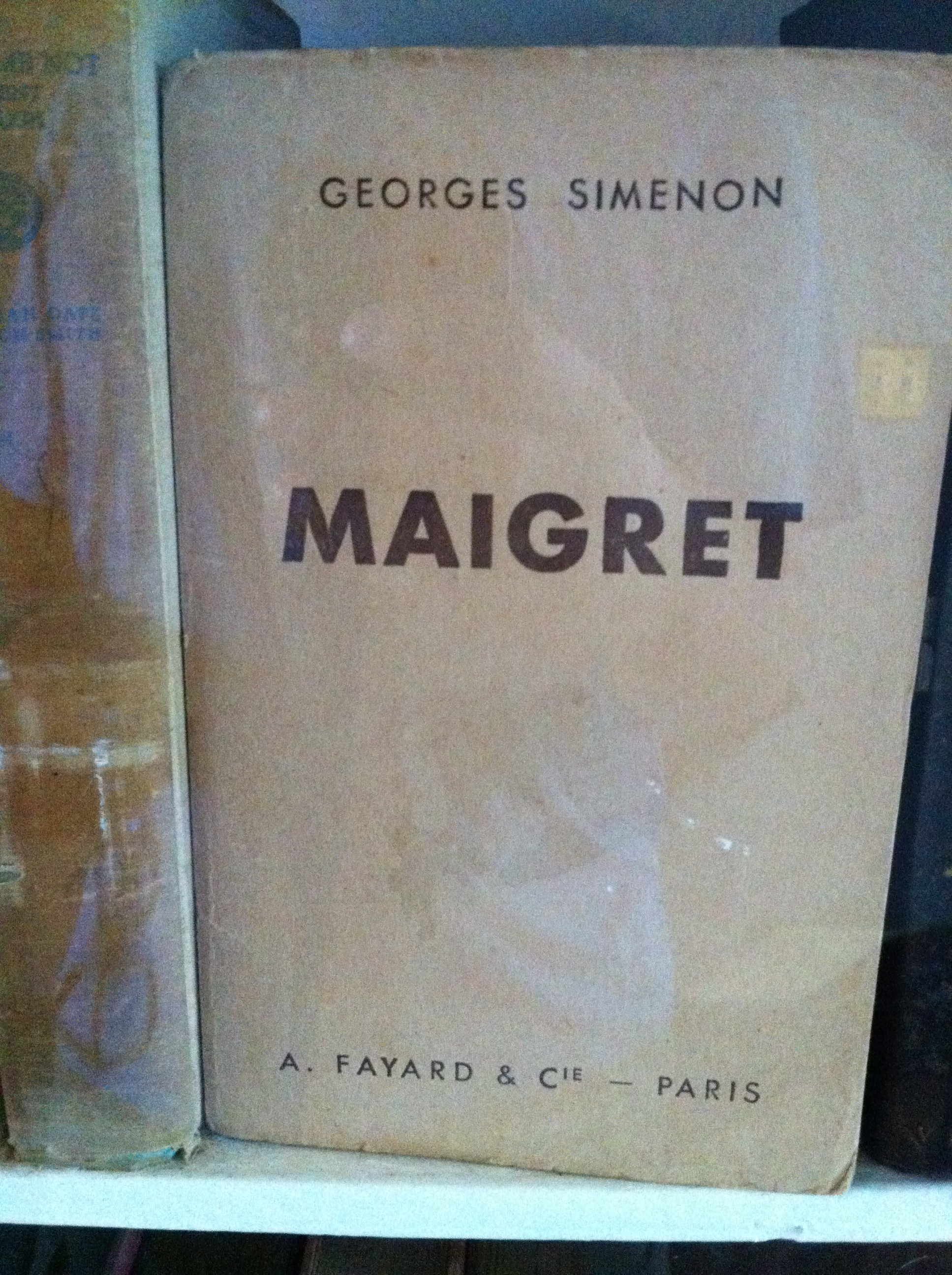
French is primarily spoken, but Dutch is ubiquitous as well. I arrive hungry, with a need for traditional fare – onion soup and cheese with local sausage while I enjoy an Inspector Maigret mystery by Belgium’s favorite son, Simenon. For Belgians, like most Europeans, eating out is a lifestyle, and only the worst weather keeps them from the sidewalk tables. This leaves plenty of inside space for me on a chilly day of 0 degrees Centigrade.

IMG_4544

IMG_4542 IMG_4550 IMG_4552

Transcontinental Flight

Posted in Fiction with tags , , on September 27, 2014 by David McInerny

IMG_1040A burning arc, reaching from the Orient to the New World,

Bisected by the man-made date line,

A bow and arrow, shot right through a vapor trail.


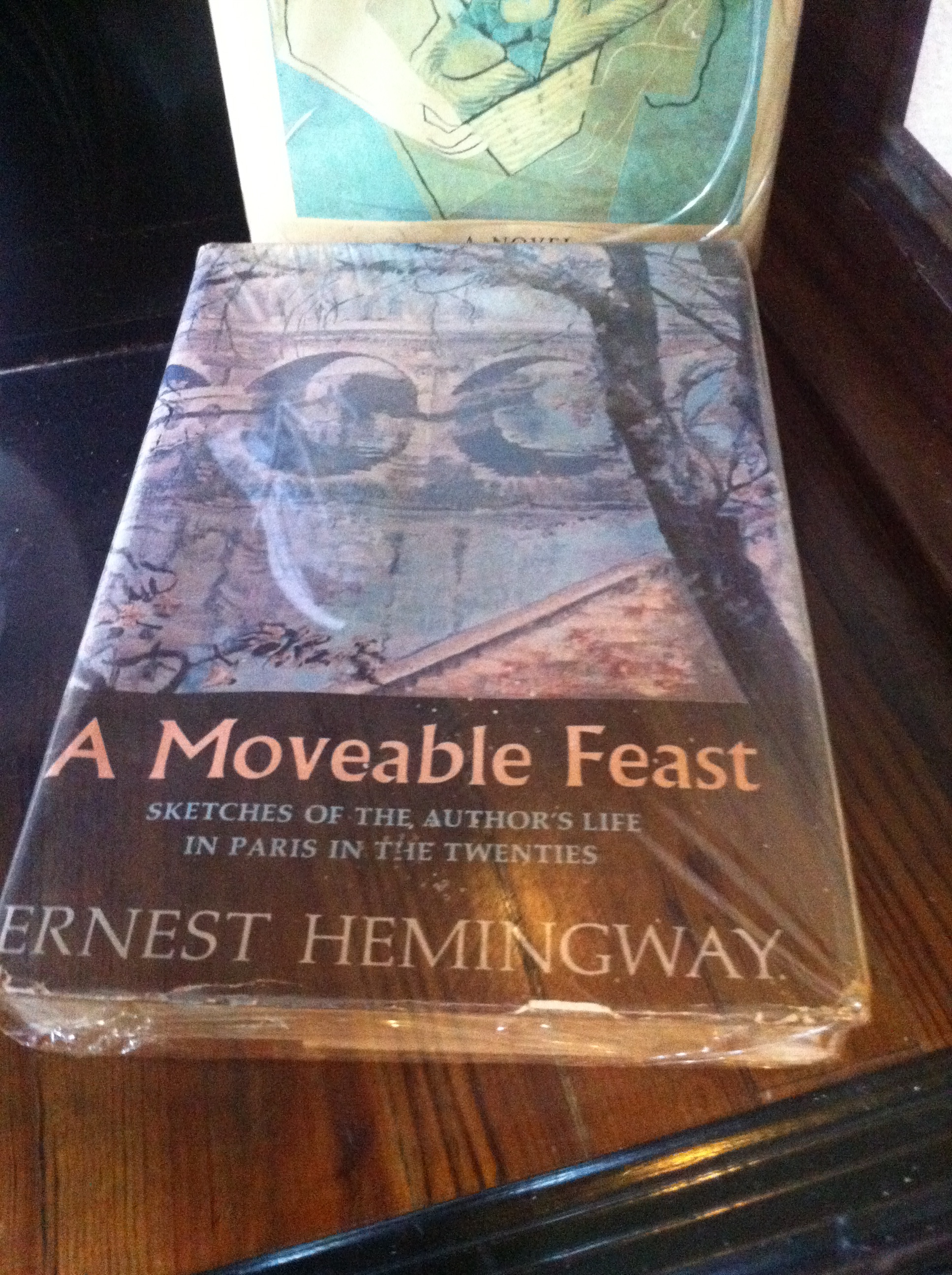
It’s been turbulent, Ernest, not the romantic notion you pitched,

In the Shakespeare Bookstore with F. Scott and Maddox Ford at your feet,

Creativity juxtaposed with delicious oblivion.


Now belted in, Narita glowing below, you sit across the aisle,

We ignore each other, for now, forever,

You muttering about Pamplona and a cool local wine.


I’ve no interest anymore in your Valencia, your Florida Keys,

In a fish well caught or a bull well slain,

If the cost, Papa, is delicious oblivion, and a Ketchum, Idaho hole.


I know you, Rider, gonna miss me when I’m gone,

Juneau glows below one wing, you fade as flotsam at ebb tide,

I slowly deconstruct myself in order to survive
.

Georges, another morning on your barge along the Seine,

An old, manual typewriter belches carbon copied prose,

Of Jules and mysteries before an afternoon of sweet oblivion.


Edmonton is dark as you lean toward Papa with your eyes on me,

No regrets, you call across the aisle, and Ernest seems to laugh,

You lost generations, you generated romantic oblivion.


Descent onto the prairie, wheels down on terra firma,

Thirteen hours of ethereal musings of art and art’s muses,

Art is romance, romance art, but no oblivion.

IMG_1039


Inspector Maigret

Posted in Books with tags , , on July 10, 2012 by David McInerny

Georges Simenon created Inspector Maigret in the 1930’s, and over four decades of murder cases, the mysteries were translated into more languages than any other writer – not just mystery writers – any writer. Though Simenon was Belgian, he placed Jules Maigret in police headquarters in Paris on the river Seine. In most cases, the reader is spared the grizzly act of murder, and Maigret enters the scene with scant, cryptic clues, forcing him to attempt to get into the mind of the murderer to make headway toward his capture.

The stories are tight, with a host of recurring characters and locales that pull the reader into the streets of Paris with a familiarity that anticipates Maigret’s moves, like a partner, without anticipating the ending – and that is the ultimate allure of Simenon’s work.

It’s good to see a fresh biography of Simenon, by Lucille F. Becker. She concentrates on the psychological allure of Maigret’s approach to cases, highlighting the genius of Simenon’s craft. Many get caught up in Simenon’s persona, writing for five hours on a barge on the Seine in the morning, before he opened a bottle of wine. The fact is, his oeuvre was so prolific that even fans like myself may only read half his published work and still never appreciate the full impact of his work.